Author Profile · Science Fiction
Philip K. Dick
1928–1982 · American
Who was Philip K. Dick?
A Berkeley record-shop clerk turned paperback workhorse who wrote forty-odd novels at amphetamine speed for tiny advances, asking two questions over and over: what is real, and what is human? In Dick's fiction the answers dissolve on contact — androids dream, simulacra govern, dead men advertise, and reality is usually somebody's product with a warranty about to expire. He died at fifty-three, months before Blade Runner began the posthumous canonisation that has since made him the most film-adapted SF writer ever and the first SF author admitted to the Library of America. The paranoia was real; so, increasingly, is the world he predicted.
Why they matter
The genre's great metaphysician. Dick relocated science fiction's frontier from outer space to the collapsing interior of reality itself, and modern culture — from The Matrix to deepfake anxiety — lives in his aftermath.
Essential books — and where to start
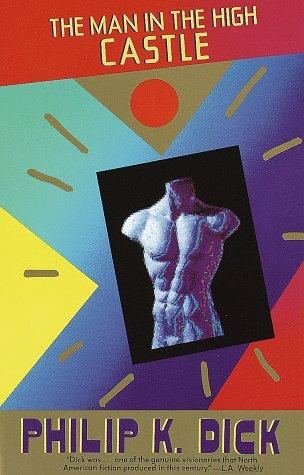
1962 · Science Fiction · Alternate History
The Axis won; America is partitioned between Japanese Pacific States and a Nazi east, with the Rockies as buffer. Dick's genius is to stay small: a San Francisco dealer in fake Americana, a judo instructor, a doomed Nazi defector, all consulting the I Ching (as Dick did while writing) while a banned novel — an alternate history in which the Allies won, though not our way — circulates like contraband truth. The layered fakes, fake antiques in a fake America reading fake history, build to a quiet metaphysical breakthrough rather than a thriller climax.
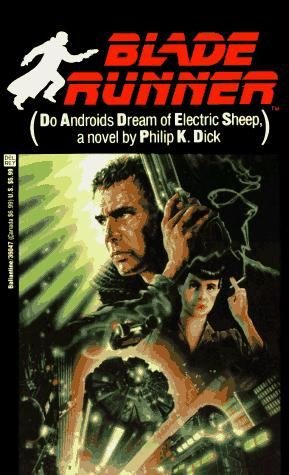
1968 · Science Fiction · Dystopia, Post-Apocalyptic
On a dust-poisoned post-war Earth where real animals are status symbols and most healthy humans have emigrated, bounty hunter Rick Deckard retires escaped androids for the money to replace his electric sheep with a living one. The Nexus-6 models he hunts are brilliant, ruthless and detectable only by an empathy test — while around him humans tune their moods by dial-a-mood and merge with the suffering messiah Mercer in shared boxes. The question isn't whether the androids are human; it's whether anyone left on Earth still is.

1969 · Science Fiction · New Wave SF, Satirical SF
After a bomb on the Moon kills — possibly — anti-telepath executive Glen Runciter, his team find reality decaying around them: cigarettes stale, coins obsolete, 1992 sliding relentlessly back towards 1939, colleagues dying of sudden accelerated entropy. Salvation comes, maybe, in a spray can: Ubik, advertised in chirpy epigraphs before every chapter, safe when taken as directed. Half the cast may be dead in cryonic half-life; the question is which half, and Dick keeps reversing the answer to the final sentence. Funny, terrifying and completely uninterested in reassuring you.
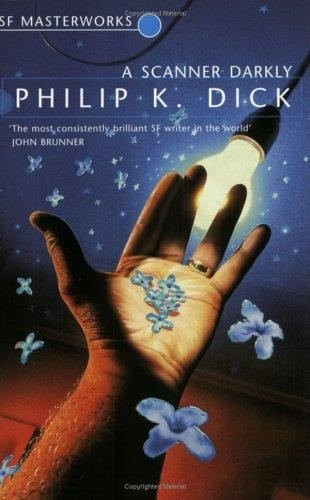
1977 · Science Fiction · Dystopia, Literary SF
Undercover narcotics agent Fred wears a scramble suit that hides his identity even from his handlers — which is awkward, because his assignment is to surveil Bob Arctor, who is himself. As Substance D severs the hemispheres of his brain, agent and addict stop being able to recognise each other in the surveillance footage. Dick built the novel from his own years in the Californian drug culture, and the famous afterword — a list of dead and damaged friends, himself included — makes plain this is barely science fiction at all. His funniest dialogue and his saddest book.
1934–2018 · American
The most decorated short-fiction writer in genre history and the editor who dragged American SF into the New Wave.
1930–2009 · British
The most important literary stylist British SF has produced, the New Wave's central planet, and a prophet whose obsessions — media spectacle, manufactured desire, communities seceding from reality — simply became the news.
1913–1987 · American
The proto-New-Wave and proto-cyberpunk in one package: Gibson, Moorcock and Delany all name him as the spark.
