Parable of the Sower
The novel that made Butler a prophet: a New York Times bestseller decades after publication, source of an opera and a graphic novel, and the founding text of modern climate dystopia.

The essential authors of science fiction, fantasy & horror — and where to start reading them.
Book Entry · Science Fiction
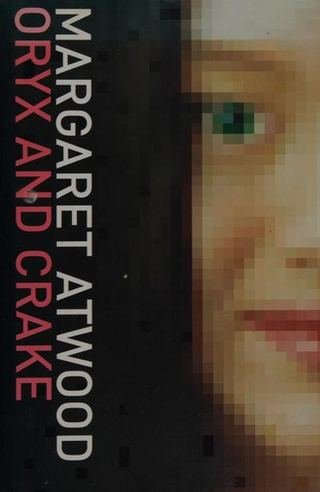
by Margaret Atwood · 2003 · MaddAddam Trilogy, book 1
Snowman — formerly Jimmy — may be the last man alive, sunburnt in a tree, custodian of the Crakers: gentle, green-eyed, genetically optimised people who smell of citrus, purr to heal, and were designed by his best friend to replace us. The flashbacks rebuild the world that ended: corporate compounds and pleeblands, ChickieNobs and pigoons, the games (Extinctathon, Blood and Roses) where Crake's worldview assembled itself, and the beautiful, unknowable Oryx whom both men loved. The plague was a product launch; the apocalypse had a marketing plan. Atwood's satire is so close to the biotech news cycle it reads like embargoed copy.
Booker and Orange shortlisted, the founding volume of the MaddAddam trilogy and a cornerstone of modern climate-and-biotech dystopia: the engineered apocalypse as corporate deliverable.
Atwood's bioengineered apocalypse: Oryx and Crake, The Year of the Flood and MaddAddam, charting the corporate compound world before the plague and the strange green peace after it.
In the Guide from MaddAddam Trilogy:
Prefer Amazon? Buying through these links may earn SFcrowsnest a small commission, at no extra cost to you.
Buy on Amazon UK → Buy on Amazon US →As an Amazon Associate, SFcrowsnest earns from qualifying purchases.
The novel that made Butler a prophet: a New York Times bestseller decades after publication, source of an opera and a graphic novel, and the founding text of modern climate dystopia.
Hugo and Nebula winner, and one of the most reprinted SF stories ever written — the genre's definitive fable of civil disobedience.
The most effective political allegory in the language, permanently in print and on syllabuses worldwide; with Nineteen Eighty-Four it made Orwell's name an adjective.