Who is J. K. Rowling?
The Harry Potter origin story is now folklore: the idea on a delayed Manchester–London train, the single mother writing in Edinburgh cafés, twelve rejections, a modest first printing in 1997 — and then the largest publishing phenomenon in history: some six hundred million copies, the highest-grossing film franchises, a generation whose literacy statistics measurably moved, and 'muggle' in the OED. The books themselves grow up with their reader: boarding-school comfort darkening, volume by volume, into civil war, propaganda and the management of grief. Since 2020 Rowling's statements on transgender issues have made her one of the most polarising figures in public life, an ongoing controversy inseparable from any current account of her; the books' position as the era's defining gateway fantasy remains.
Why they matter
Harry Potter is the bestselling book series ever written and the single largest recruitment event in the history of reading: whatever the field's arguments about craft or author, modern fantasy's mass audience was substantially built at Platform Nine and Three-Quarters.
Essential books — and where to start
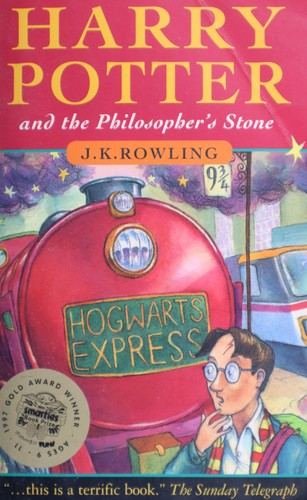
1997 · Harry Potter, book 1 · Fantasy · Children's & YA Fantasy, Portal Fantasy
Harry Potter, eleven, sleeps in the cupboard under the stairs of the worst relatives in children's fiction until the letters arrive — thousands of them, increasingly insistent — and Hagrid kicks the door down with the news: he's a wizard, he's famous, and the scar on his forehead is a souvenir from the dark lord who killed his parents and could not kill him. Hogwarts follows: Diagon Alley, the Sorting Hat, Quidditch, a troll in the dungeon, and three first-years unravelling the mystery of what Fluffy guards. The architecture — school year as plot engine, mystery per volume, war beneath the whimsy — was in place from page one.
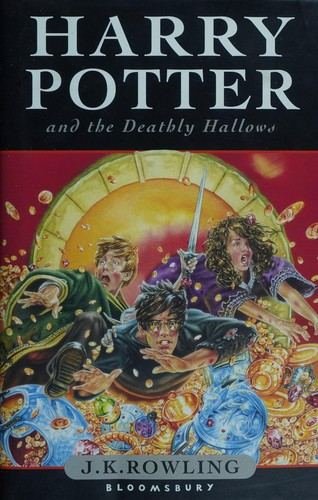
2007 · Harry Potter, book 7 · Fantasy · Children's & YA Fantasy, Dark Fantasy
No school year this time: Hogwarts is occupied, the Ministry has fallen to a Vichy regime registering Muggle-borns, and Harry, Ron and Hermione are fugitives in a tent, hunting Horcruxes with insufficient information — the series' boldest structural gamble, trading the boarding-school comfort engine for war-novel attrition. The pay-offs bank seven volumes of deposits: Snape's memories, Dumbledore's compromised past, the King's Cross limbo, and 'The Prince's Tale' as the saga's emotional settlement. The Battle of Hogwarts spends beloved characters with a war's indifference, and the answer to the series' question turns out to be the oldest one: walking into death willingly works.
Series
1934–2011 · British
The bridge between the Inklings and modern fantasy's craft: her deconstructions anticipated and outwitted the genre's clichés decades before 'subversion' became a selling point, and her influence runs through Rowling's generation whether acknowledged or not.
b. 1944 · American
The author whose success built the commercial epic fantasy category: Del Rey's Shannara experiment created the market that Jordan, Eddings and everyone since sold into.
b. 1960 · British
The defining mythic fantasist of his generation: Sandman legitimised comics as literature, American Gods codified the gods-among-us novel, and his fairy-tale register shaped two decades of fantasy, YA and screen storytelling.
