
Great Teacher Onizuka (GTO)
A reformed biker-gang thug becomes the most unorthodox high-school teacher imaginable; raucous, big-hearted, and a cast-iron 90s favourite.
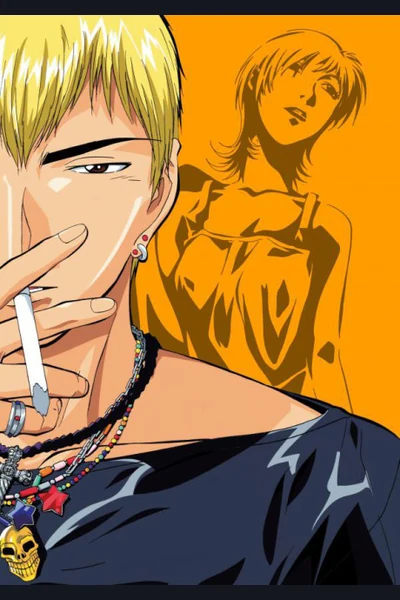
Eikichi Onizuka is a 22-year-old former biker-gang leader who decides to become Japan's greatest teacher. His initial motives include access to schoolgirls, which is not a comic premise improved by time. What develops, however, is a raucous attack on adults who exploit, neglect or categorise children while expecting respect for their job titles.
Tooru Fujisawa's manga ran in Kodansha's Weekly Shonen Magazine from 1997 to 2002 and filled 25 volumes, following earlier delinquent series Shonan Junai Gumi. Studio Pierrot's 43-episode anime aired in 1999–2000. Japanese live-action dramas, particularly the 1998 series starring Takashi Sorimachi, became major successes.
Overview
Onizuka takes charge of a class notorious for driving teachers out. Its students have reason to distrust the school: bullying, humiliation and institutional self-protection sit beneath their schemes. Onizuka responds with motorcycle stunts, illegal interventions and occasional emotional intelligence so direct that respectable staff mistake it for madness.
He is not a safe professional model. He is a fantasy of the adult who refuses to abandon a child when procedure becomes convenient cover.
Why it matters
The series understands that “problem pupils” are often produced by problem adults. Its strongest stories give students specific pain rather than using rebellion as decoration. Onizuka wins trust because he accepts public embarrassment and physical danger that authority figures transfer downwards.
The comedy is broad, faces elastic and solutions wildly irresponsible. That excess allows the story to puncture educational hypocrisy without becoming a policy paper wearing a leather jacket.
What to expect
Expect bullying, suicide attempts, sexual harassment, violence, teacher misconduct and jokes involving minors that deserve firm criticism. The big heart does not cancel the lechery. Viewers must decide whether the later compassion outweighs material the series treats too lightly.
Adaptations and versions
The anime follows much of the manga but reaches an original ending. Live-action versions shift cases and tone; the 1998 drama remains especially influential. Manga sequels continue Onizuka's improbable educational career.
Where to start
Try manga volume one or the anime, knowing the early sexual humour is a genuine barrier. The 1998 drama offers another route with its own period character.
Verdict The SFcrowsnest take
GTO is big-hearted, socially sharp and burdened by a hero whose conduct sometimes validates the safeguarding seminar. Its anger at failed children is admirable; its treatment of sexual misconduct is not always.
A cast-iron 1990s favourite, recommended with caveats and absolutely not as a teacher-training resource.