
Naruto / Boruto
Orphaned ninja with a sealed fox demon and abandonment issues talks half his enemies into friendship; the show that raised a generation.
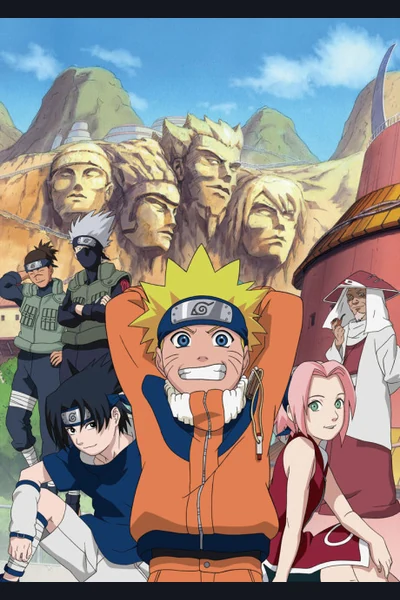
Naruto Uzumaki is a noisy orphan who wants to become Hokage, leader of the Hidden Leaf Village. The village responds to this ambition with broad scepticism, partly because Naruto is an inattentive student and partly because a monstrous Nine-Tailed Fox has been sealed inside him since infancy. The adults know this and treat the child as a public menace while declining to explain why. Hidden ninja villages are excellent at covert operations and less accomplished at pastoral care.
Masashi Kishimoto's Naruto manga ran in Shueisha's Weekly Shonen Jump from 1999 to 2014 and was collected in 72 volumes. Studio Pierrot adapted the early years as Naruto and the older cast as Naruto: Shippuden. The sequel generation appears in Boruto: Naruto Next Generations and Boruto: Two Blue Vortex, with manga production involving Mikio Ikemoto, Ukyo Kodachi and Kishimoto at different stages. The anime and manga branches do not always take identical routes, because one generational burden was apparently insufficient.
Overview
Naruto enters a three-person team with Sasuke Uchiha, a talented survivor obsessed with revenge, and Sakura Haruno, an intelligent student initially given less narrative room than she deserves. Their teacher Kakashi Hatake is late, masked and suspiciously relaxed for a man supervising armed children. Missions introduce a world of rival villages, mercenary shinobi, hereditary techniques and political arrangements maintained through violence while adults speak gravely about peace.
The early series works because its emotional structure is clear. Naruto behaves outrageously because negative attention is still attention. Sasuke isolates himself because attachment creates something else to lose. Sakura wants recognition in a system that prizes inherited gifts and combat utility. Their bonds grow through work, danger and rivalry rather than instant declarations of friendship.
As the story expands, personal wounds connect to village history and cycles of war. Clans pass down abilities and grievances. Leaders preach sacrifice while allowing the next generation to inherit unfinished conflicts. Naruto's defining technique is not the Rasengan but radical recognition: he sees loneliness in enemies and insists that pain need not dictate the next act. This becomes moving, repetitive and occasionally capable of talking a mass murderer through an accelerated moral audit.
Why it matters
Naruto became one of the central international battle-shonen series of the 2000s. Its silhouettes, hand signs, forehead protectors and running style became instantly recognisable well beyond regular manga readers. More importantly, it gave a generation a hero whose demand for acknowledgement grew into a commitment to acknowledge others.
Kishimoto is excellent at rivalries, visual clarity and abilities that express character. Shadow clones embody Naruto's loneliness and eventual community. The Sharingan turns inherited trauma into perception and power. Puppet techniques, insects, shadows and gentle-fist combat give supporting characters identities before they have said a word.
The limitations are equally visible. The female cast is inconsistently served. Later escalation shifts from tactical ninja encounters towards increasingly divine levels of destruction. A story critical of inherited systems sometimes becomes fascinated by bloodline destiny. Its final war contains remarkable moments and enough simultaneous revelations to require local traffic management.
What to expect
Expect martial-arts fantasy, comedy, tragedy, long rivalries and extensive flashbacks. Violence includes child soldiers, war, death, torture and body horror, although the presentation is usually suitable for an older teen audience rather than splatter horror. Romance develops unevenly and often receives less attention than friendship, rivalry and inherited duty.
The anime adds strong voice performances, music and several exceptional fights. It also adds filler—large quantities of anime-original material created while the television production waited for the manga. Some filler develops neglected characters; some tests whether viewers can achieve enlightenment through scheduling. A curated episode guide is useful, especially during late Naruto and Shippuden.
Adaptations and versions
The cleanest original route is Kishimoto's 72-volume manga: Naruto from beginning to end. For anime, watch Naruto, then Naruto: Shippuden. The films are mostly optional side adventures, with later films carrying more direct relevance to the transition into the sequel era. Verify the position of any film before watching rather than trusting a streaming menu assembled by alphabetical order.
Boruto changes the setting from reconstruction to uneasy prosperity. Naruto's son grows up with technology, celebrity parents and resentment towards a father whose public responsibilities consume family time. This reversal has merit: Naruto wanted a family and became too busy saving everybody else's. The sequel also widens the alien and inherited-power mythology, which will appeal more to viewers who enjoyed the original's late escalation than those who preferred bridge missions and thrown knives.
The Boruto anime contains extensive material beyond the manga's direct plot; the two are related continuities rather than page-for-frame equivalents. Current publication, hiatus and broadcast status should be checked when this page is prepared for release.
Where to start
Start with Naruto manga volume one or anime episode one. The early Land of Waves mission is the proper test: it moves beyond school comedy and establishes the moral cost of the shinobi system. Continue through the original series before Shippuden. Use a filler guide if momentum matters, but do not assume every anime-original episode is worthless.
Approach Boruto afterwards, not as a substitute beginning. Its emotional premise depends upon knowing what Naruto wanted, what his generation survived and why peace has produced children with different complaints. Progress is real. So is the ability of parents to create entirely new problems with it.
Verdict The SFcrowsnest take
At its best, Naruto is an emotionally direct story about a lonely child refusing to let loneliness become cruelty. Its ninja world is inventive, its rivalries enduring and its belief in recognition powerful enough to survive a considerable amount of shouting. It is also overextended, uneven with women and eventually tempted to solve tactical problems by increasing the size of the moon-related complication.
The manga is the disciplined route; the anime provides magnificent peaks separated by variable terrain. Boruto is a more contentious inheritance, strongest when it examines the domestic cost of Naruto's success. Taken together, the franchise is a sprawling argument that cycles of hatred can be broken—though apparently not without 72 volumes, hundreds of episodes and a filing cabinet of forbidden techniques.