The Fall of the House of Usher
The archetypal gothic tale and a masterclass in atmosphere studied by horror writers ever since.

The essential authors of science fiction, fantasy & horror — and where to start reading them.
Book Entry · Horror
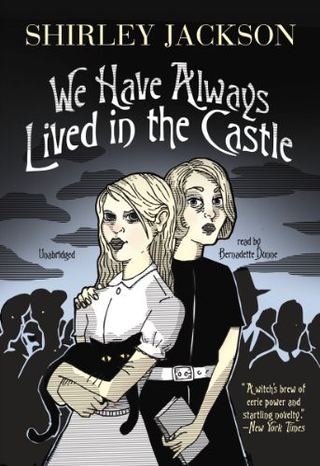
Mary Katherine 'Merricat' Blackwood — eighteen, feral, given to sympathetic magic and the wish that everyone in the village were dead — lives with her agoraphobic sister Constance and ailing Uncle Julian in the family house, the rest of the Blackwoods having died six years earlier of arsenic in the sugar bowl. Constance was acquitted; the village has not acquitted anyone. Cousin Charles arrives with his eye on the safe, and Merricat takes measures. Jackson's last completed novel is her most perfect: a fairy tale told from inside the witch's cottage, with one of fiction's great unreliable narrators keeping house at the centre.
Jackson's masterpiece by many measures and a permanent influence on the literature of strange sisters and besieged houses — its Merricat voice echoes through modern gothic from Carmen Maria Machado's generation backwards.
Prefer Amazon? Buying through these links may earn SFcrowsnest a small commission, at no extra cost to you.
Buy on Amazon UK → Buy on Amazon US →As an Amazon Associate, SFcrowsnest earns from qualifying purchases.
The archetypal gothic tale and a masterclass in atmosphere studied by horror writers ever since.
Winner of both the World Fantasy Award and the Bram Stoker Award for collection: the canonical one-volume Campbell and a standard text in any serious horror education.
The debut that launched horror's biggest career and, via De Palma's 1976 film, a permanent cultural archetype: the bullied girl as apocalypse.