Consider Phlebas
The Culture's debut and British space opera's resurrection note; its galaxy-of-plenty-with-doubts framework set the agenda for the next three decades of the form.

The essential authors of science fiction, fantasy & horror — and where to start reading them.
Book Entry · Science Fiction
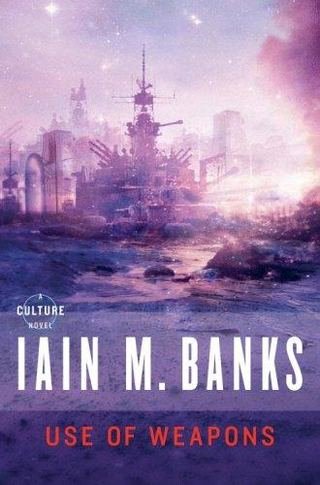
Cheradenine Zakalwe, the Culture's favourite deniable instrument, is fetched out of retirement by Special Circumstances agent Diziet Sma and the drone Skaffen-Amtiskaw for one more dirty war among the uncivilised — while the novel's second strand runs backwards through his previous missions toward the thing in his past involving a chair, which the forward strand spends the whole book flinching from. Structure as ambush: the two streams meet in a reveal that re-files every page before it. War, conscience and the title's thesis — that anything, and anyone, can be made a weapon — in Banks's most formally daring SF novel.
Routinely voted the best Culture novel; its interleaved-chronology structure (suggested by Ken MacLeod) is among the most influential formal gambits in modern space opera.
Banks's post-scarcity utopia of humans, drones and godlike ship Minds — and the morally compromised business of nudging less fortunate civilisations, handled by Contact and the ominously named Special Circumstances.
In the Guide from The Culture:
Prefer Amazon? Buying through these links may earn SFcrowsnest a small commission, at no extra cost to you.
Buy on Amazon UK → Buy on Amazon US →As an Amazon Associate, SFcrowsnest earns from qualifying purchases.
The Culture's debut and British space opera's resurrection note; its galaxy-of-plenty-with-doubts framework set the agenda for the next three decades of the form.
Nebula winner (1966).
Hugo winner (1992) — one of Bujold's record-equalling four — and the series' emotional foundation: Miles's entire story is this book's consequences.