Consider Phlebas
The Culture's debut and British space opera's resurrection note; its galaxy-of-plenty-with-doubts framework set the agenda for the next three decades of the form.

The essential authors of science fiction, fantasy & horror — and where to start reading them.
Book Entry · Science Fiction
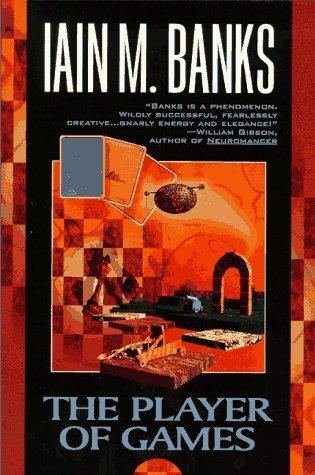
by Iain M. Banks · 1988 · The Culture, book 2
Jernau Morat Gurgeh, the Culture's finest game-player, is bored — a serious condition in utopia — and susceptible when Special Circumstances comes recruiting, with a drone's blackmail to close the deal. His destination: the Empire of Azad, whose society is structured around a game so complex that performance in it determines rank, up to and including the throne. Gurgeh learns the game; the game, as designed, teaches Azad — its cruelty, its hierarchies, its three genders of institutionalised domination — and the Culture has sent exactly the player whose style will say what it wants said. The most elegant single demonstration of how Banks's utopia wins.
Widely recommended as the ideal Culture entry point and a fixture of best-space-opera lists; its empire-as-game conceit is one of SF's perfect metaphors.
Banks's post-scarcity utopia of humans, drones and godlike ship Minds — and the morally compromised business of nudging less fortunate civilisations, handled by Contact and the ominously named Special Circumstances.
In the Guide from The Culture:
Prefer Amazon? Buying through these links may earn SFcrowsnest a small commission, at no extra cost to you.
Buy on Amazon UK → Buy on Amazon US →As an Amazon Associate, SFcrowsnest earns from qualifying purchases.
The Culture's debut and British space opera's resurrection note; its galaxy-of-plenty-with-doubts framework set the agenda for the next three decades of the form.
Co-winner of the first Nebula, Hugo winner, and the bestselling SF novel of all time.
The essential corrective that completes Dune's argument about charismatic leaders; its rehabilitation is now complete, and Villeneuve's third film takes it as source.