Gormenghast
The cycle's summit, regularly placed on best-fantasy-novel lists; its rebel-against-ritual arc gave the genre an enduring counter-myth to the restoration plot.

The essential authors of science fiction, fantasy & horror — and where to start reading them.
Book Entry · Fantasy
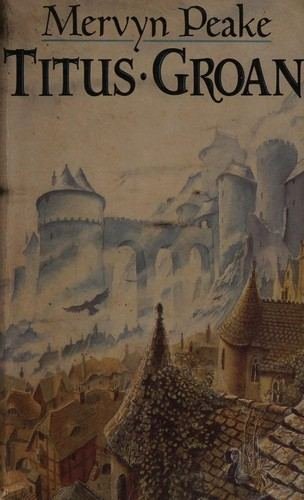
An heir is born to the House of Groan, and the castle of Gormenghast — miles of masonry, ivy-choked courts, libraries, kitchens and roofscapes — grinds through its immemorial rituals around him. The infant Titus barely appears; the book belongs to the castle's grotesques (melancholy Lord Sepulchrave, the marmoreal Countess with her cats and birds, Fuchsia in her attic, Swelter and Flay circling towards their cleaver-and-sword duel) and above all to Steerpike, the kitchen boy climbing out of the fat-reek towards power with a razor's charm. The prose is paint: nobody has ever written rooms, light or faces like Peake.
One of the founding masterpieces of modern fantasy, establishing its entire gothic-literary wing; the 2000 BBC adaptation introduced Steerpike to a new generation.
Peake's gothic masterwork: the immense castle-state of Gormenghast, its ritual-bound earls, and Titus, the heir who wants out.
In the Guide from Gormenghast:
Prefer Amazon? Buying through these links may earn SFcrowsnest a small commission, at no extra cost to you.
Buy on Amazon UK → Buy on Amazon US →As an Amazon Associate, SFcrowsnest earns from qualifying purchases.
The cycle's summit, regularly placed on best-fantasy-novel lists; its rebel-against-ritual arc gave the genre an enduring counter-myth to the restoration plot.
Nebula winner and the New Wave's most notorious provocation: time-travel paradox as theology, handled with a seriousness that outlasted the scandal.
Lovecraft's finest long-form narrative by many estimates; filmed (loosely) as The Haunted Palace and The Resurrected, and a model for necromantic horror since.