Ender's Game
Hugo and Nebula winner, one of the bestselling SF novels ever, on official reading lists from secondary schools to the US Marine Corps; filmed in 2013.

The essential authors of science fiction, fantasy & horror — and where to start reading them.
Book Entry · Science Fiction
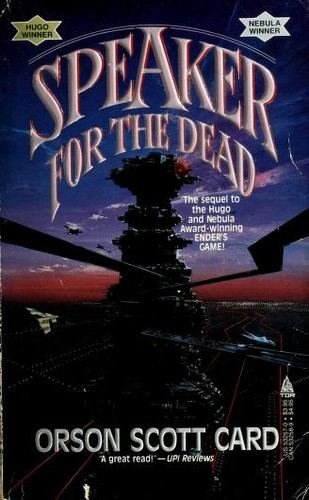
by Orson Scott Card · 1986 · The Ender Saga, book 2
Three thousand years after the Xenocide — though, thanks to relativistic travel, only decades older — Ender Wiggin lives under his own name's infamy and works as a Speaker for the Dead, telling the truth of finished lives. Called to the colony world Lusitania, he finds a Catholic settlement, a family rotting around a brutal secret, and the pequeninos: the first alien intelligence since the Formics, who honour their human friends by vivisecting them. The misunderstanding is biological, the stakes are a second xenocide, and Ender carries the last Formic queen in his luggage, looking for a world. Card's empathy machine at full power.
Swept the Hugo and Nebula the year after Ender's Game did — an unrepeated double — and established the 'ramen/varelse' hierarchy of alienness that xeno-ethics discussions in the genre still borrow.
From battle school to xenocide and three thousand years of atonement: Card's saga of Ender Wiggin, the child who won a war he wasn't told he was fighting.
In the Guide from The Ender Saga:
Prefer Amazon? Buying through these links may earn SFcrowsnest a small commission, at no extra cost to you.
Buy on Amazon UK → Buy on Amazon US →As an Amazon Associate, SFcrowsnest earns from qualifying purchases.
Hugo and Nebula winner, one of the bestselling SF novels ever, on official reading lists from secondary schools to the US Marine Corps; filmed in 2013.
The definitive transcendence novel and a permanent fixture of all-time-best lists; its imagery of giant ships over cities has been borrowed by everything from V to Independence Day.
Hugo winner (1989) and a regular pick for the best SF novel about cloning ever written; its psychogenesis arguments anticipate decades of behavioural-genetics debate.