Roadside Picnic
The most influential Soviet SF novel: Tarkovsky's Stalker, the S.T.A.L.K.E.R.

The essential authors of science fiction, fantasy & horror — and where to start reading them.
Book Entry · Science Fiction
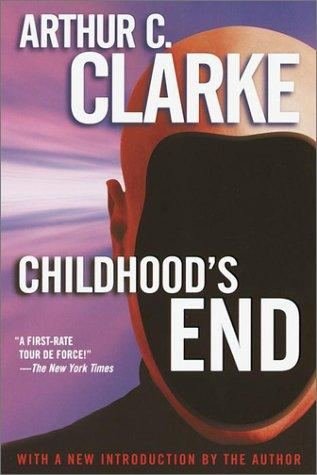
Vast ships settle over Earth's cities and the Overlords end war, want and cruelty almost overnight — while declining, for fifty years, to show themselves, for reasons that constitute one of the genre's great reveals. Their true mission is stranger than benevolence: they are midwives for humanity's children, who are about to stop being human at all. The closing movement, in which the last man watches the Earth's children depart and the planet dissolve, is the most sublime ending in science fiction, equal parts triumph and grief.
The definitive transcendence novel and a permanent fixture of all-time-best lists; its imagery of giant ships over cities has been borrowed by everything from V to Independence Day.
Prefer Amazon? Buying through these links may earn SFcrowsnest a small commission, at no extra cost to you.
Buy on Amazon UK → Buy on Amazon US →As an Amazon Associate, SFcrowsnest earns from qualifying purchases.
The most influential Soviet SF novel: Tarkovsky's Stalker, the S.T.A.L.K.E.R.
Swept the Hugo and Nebula the year after Ender's Game did — an unrepeated double — and established the 'ramen/varelse' hierarchy of alienness that xeno-ethics discussions in the genre still borrow.
Hugo winner (1964) and Simak's masterpiece: the definitive statement that first contact might happen quietly, in a farmhouse, over coffee.