Speaker for the Dead
Swept the Hugo and Nebula the year after Ender's Game did — an unrepeated double — and established the 'ramen/varelse' hierarchy of alienness that xeno-ethics discussions in the genre still borrow.

The essential authors of science fiction, fantasy & horror — and where to start reading them.
Book Entry · Science Fiction
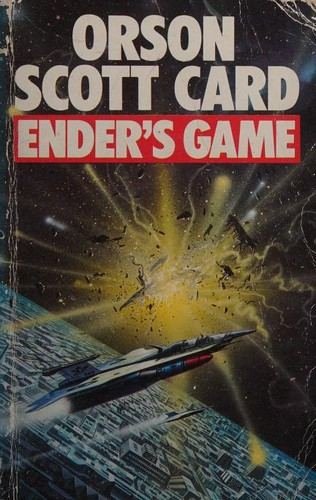
Earth, braced for the third Formic invasion, breeds its commanders young: Andrew 'Ender' Wiggin, six years old and a third child in a two-child world, is taken to Battle Station and forged in the zero-gravity Battle Room through escalating, deliberately unfair games — the teachers' one rule being that no one will ever help him. The ruthlessness that frightens Ender most in himself is precisely what the school is farming. The famous ending detonates the entire premise: the distinction between game and genocide, it turns out, was the curriculum's final deception. Expanded from the 1977 novelette.
Hugo and Nebula winner, one of the bestselling SF novels ever, on official reading lists from secondary schools to the US Marine Corps; filmed in 2013. Its child-soldier ethics seminar shows no sign of adjourning.
From battle school to xenocide and three thousand years of atonement: Card's saga of Ender Wiggin, the child who won a war he wasn't told he was fighting.
In the Guide from The Ender Saga:
Prefer Amazon? Buying through these links may earn SFcrowsnest a small commission, at no extra cost to you.
Buy on Amazon UK → Buy on Amazon US →As an Amazon Associate, SFcrowsnest earns from qualifying purchases.
Swept the Hugo and Nebula the year after Ender's Game did — an unrepeated double — and established the 'ramen/varelse' hierarchy of alienness that xeno-ethics discussions in the genre still borrow.
Hugo, Nebula and Campbell Memorial winner — one of the rare books to take all three; its remote-warfare and forced-empathy arguments only grow more current.
Whitbread Book of the Year 2001 — the first children's book ever to take the overall prize — and the most theologically audacious bestseller in the YA canon; the trilogy's capstone and lightning rod alike.