Cyteen
Hugo winner (1989) and a regular pick for the best SF novel about cloning ever written; its psychogenesis arguments anticipate decades of behavioural-genetics debate.

The essential authors of science fiction, fantasy & horror — and where to start reading them.
Book Entry · Science Fiction
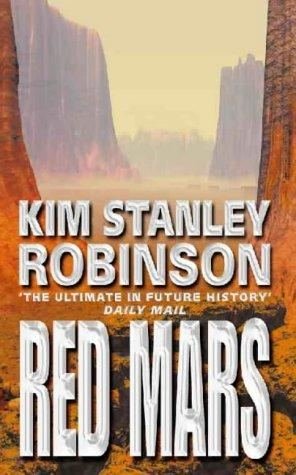
by Kim Stanley Robinson · 1992 · The Mars Trilogy, book 1
The First Hundred — fifty Russians, fifty Americans, give or take a stowaway — land in 2027 to build the permanent settlement, and immediately begin the argument that will outlast them all: terraform, or preserve? Robinson follows the founders across decades as underground cities rise, a space elevator falls (wrapping the planet like a cheese-wire, in one of SF's great catastrophe set-pieces), Earth's transnationals export their oligarchy, and the first revolution fails bloodily. Geology, psychology and politics given equal weight; the red planet rendered so concretely you can taste the fines in your teeth.
Nebula winner (Green and Blue took the Hugos); the trilogy is the standard against which all planetary-colonisation fiction is measured, cited by actual Mars mission planners.
Red, Green and Blue Mars: Robinson's two-century epic of terraforming, revolution and constitution-writing — the definitive account of building a world.
In the Guide from The Mars Trilogy:
Prefer Amazon? Buying through these links may earn SFcrowsnest a small commission, at no extra cost to you.
Buy on Amazon UK → Buy on Amazon US →As an Amazon Associate, SFcrowsnest earns from qualifying purchases.
Hugo winner (1989) and a regular pick for the best SF novel about cloning ever written; its psychogenesis arguments anticipate decades of behavioural-genetics debate.
Multiple Hugo and Locus wins among its contents; the title story in particular — entropy as first-person elegy — is already standard anthology canon.
Hugo, Nebula and Campbell Memorial winner — one of the rare books to take all three; its remote-warfare and forced-empathy arguments only grow more current.