
When Marnie Was There
A lonely girl and a mysterious friend by a tidal marsh; for some years believed to be the studio's last hand-drawn feature.
Overview
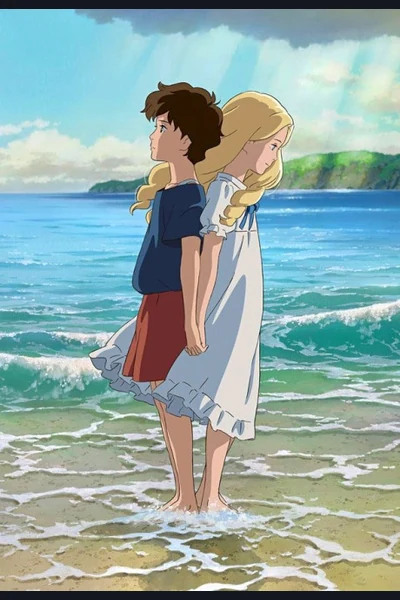
When Marnie Was There is a quiet Ghibli mystery about loneliness, memory and a friendship that feels half real and half summoned by need. Anna, a withdrawn girl sent to the countryside for her health, becomes fascinated by an old marsh house and by Marnie, a blonde girl who seems to live there outside ordinary time.
Directed by Hiromasa Yonebayashi and adapted from Joan G. Robinson's novel, the film relocates the story to Japan while preserving its ghostly emotional atmosphere. It is less about shocks than about the ache of not knowing how to belong.
Why it matters
The film matters as one of Ghibli's late, post-founder-transition dramas, showing Yonebayashi's sensitivity to mood, landscape and fragile identity. It does not aim for Miyazaki's mythic sweep or Takahata's formal radicalism. Its power is quieter.
It also gives serious attention to childhood depression, abandonment and self-loathing without turning them into simple problems solved by one magical friendship. The mystery structure serves the emotional one.
What to expect
Expect a slow, melancholic film with marshland atmosphere, old houses, family secrets and intense friendship. The story is spoiler-sensitive, but its revelations are less about cleverness than compassion.
Some viewers read the central relationship as queer-coded; others focus on its memory and family dimensions. The film leaves room for emotional ambiguity, which is part of its spell.
Content includes depression, foster-family anxiety, grief and abandonment themes.
Adaptations and versions
When Marnie Was There is a Studio Ghibli theatrical film directed by Hiromasa Yonebayashi, adapted from Joan G. Robinson's British novel. International release details and naming should be final-checked.
It stands alone and requires no other Ghibli viewing.
Where to start
This is a good later Ghibli watch for viewers who enjoy quiet emotional mysteries. It is not the studio's most obvious family crowd-pleaser, but it rewards patience.
Watch it when you want mist, memory and feelings that arrive softly before revealing they have claws.
Verdict The SFcrowsnest take
When Marnie Was There is tender, haunted and understated. It may not be Ghibli's loudest film, but it understands loneliness with unusual grace. Sometimes the ghost is not there to frighten you, but to explain why you survived.