
Oshi no Ko
A doctor is reborn as the child of the idol he adored, and grows up plotting revenge inside a poisonous entertainment industry; a savage showbiz thriller dressed as pop fantasy.
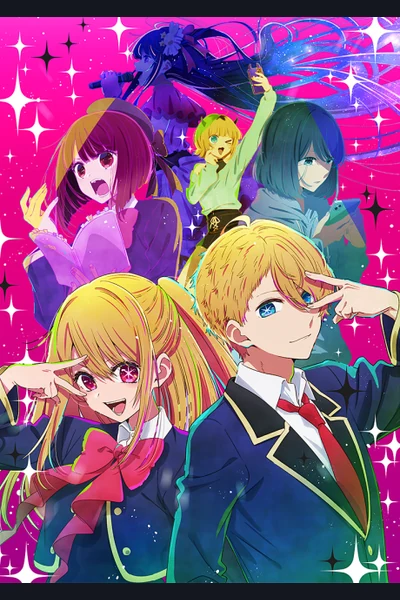
An obstetrician is murdered and reborn as Aqua, infant son of his favourite pop idol, Ai Hoshino. His twin Ruby is another reincarnated fan. This sounds like the opening move in a questionable celebrity wish-fulfilment comedy. Oshi no Ko has brought a trapdoor.
Overview
Written by Aka Akasaka and drawn by Mengo Yokoyari, the manga follows Aqua and Ruby into Japan's entertainment industries: idol music, acting, reality television, online performance and all the smiling machinery required to sell manufactured intimacy.
The supernatural premise provides private knowledge and a mystery, but the series spends most of its time examining work. Auditions, contractual leverage, insecure employment and audience analytics matter alongside revenge. Aqua treats performance as investigation; Ruby sees a path towards the dream inherited from Ai. Neither can keep grief in a tidy drawer.
Why it matters
Oshi no Ko understands celebrity as a transaction in which lies may be professional tools and genuine feelings marketable accidents. It is critical of exploitation without pretending performers lack ambition or agency. The industry harms people partly because everybody—including the audience—has learnt to call its pressures normal.
The story's internet episodes are especially sharp about harassment and the speed with which a person becomes content. Its critique is sometimes delivered with the force of a presentation slide, but the subject earns the interruption.
What to expect
The bright idol imagery conceals murder, stalking, suicide, trauma, manipulation and sexual exploitation. Some material echoes real entertainment-industry tragedies closely enough to provoke controversy. This is not a cheerful backstage musical, despite the glow sticks.
There is comedy and romance, though Aqua's reincarnated adult memories make several relationships deliberately uneasy. The series works best when it acknowledges that unease rather than inviting the viewer to file it under ordinary school drama.
Adaptations and versions
The manga forms the completed source story. Doga Kobo's anime opens with a feature-length first episode covering the prologue, an excellent decision: stopping halfway through would be like leaving a theatre during the safety curtain.
The animation gives musical performance and screen acting appropriate polish while preserving Yokoyari's star-filled eyes as both wonder and warning. Later seasons continue the manga's industry arcs rather than inventing a separate route.
Where to start
Begin with the anime's first episode if you can give it uninterrupted attention. It states the full dramatic contract. The manga is preferable for readers wanting the finished narrative and Akasaka's explanations at their own pace.
Verdict The SFcrowsnest take
Oshi no Ko dresses a revenge thriller in celebrity sparkle, then asks who paid for the sequins. Uneven, melodramatic and occasionally too eager to explain its research, it remains compelling because its anger has a target. The stars in those eyes are not merely decorative; they are occupational hazards.