
Tokyo Revengers
A self-described loser learns to travel back in time to save his ex by rewriting a deadly biker-gang feud; time-travel melodrama that became a genuine phenomenon.
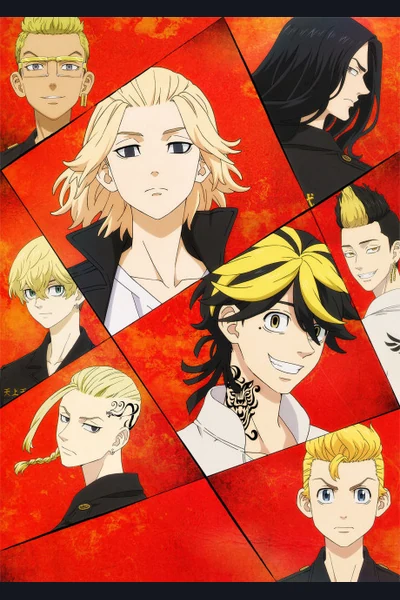
Takemichi Hanagaki is twenty-six, underpaid and living so far below his youthful expectations that the expectations have stopped forwarding mail. News that his former girlfriend Hinata has been killed by the Tokyo Manji Gang is followed by a journey twelve years into the past. He cannot fight and rarely has a plan, but he can attempt history again.
Overview
Ken Wakui's Tokyo Revengers combines a time-travel rescue thriller with the yankii tradition of Japanese delinquent stories. Takemichi moves between adulthood and his middle-school years, changing gang relationships in the past before returning to discover whether the future has improved or merely selected a more inventive disaster.
The heart of the story is the Tokyo Manji Gang's web of friendships, rivalries and surrogate families. Charismatic leader Mikey and loyal Draken embody both its warmth and its danger. Takemichi's unusual power offers information, not competence; most problems must still be confronted by a terrified young man with limited tactical access to his own feet.
Why it matters
The series became a major popular revival of delinquent iconography: embroidered uniforms, customised motorbikes, loyalty and doomed young masculinity. Its science-fiction device gives that material a strong emotional question. If regret could be revisited, would courage mean making the correct move—or simply refusing to abandon people again?
Takemichi's tears are central rather than incidental. In a genre full of stoic fighters, his chief ability is emotional persistence. This can be stirring and, when the plot turns another screw, exquisitely frustrating.
What to expect
Expect gang fights, beatings, knives, murder, bereavement and repeated peril involving very young teenagers. The period setting and heightened conventions do not make this a realistic guide to youth culture, road safety or conflict resolution.
The plot relies on reversals and accumulating timelines, while its women receive much less dramatic territory than its crowded male cast. Takemichi also makes enough questionable decisions to furnish a second-hand shop. Patience with melodrama is essential equipment.
Adaptations and versions
The manga is complete and provides the entire central story. LIDENFILMS' anime adapts it in successive arcs, making the uniforms, voices and fights vivid while naturally taking longer to reach the destination. Japanese live-action films retell portions of the story with substantial compression.
Some versions alter or obscure the gang's manji emblem outside Japan because of its resemblance to the Nazi swastika. The Buddhist symbol has a much older Asian history; localisation can nevertheless affect framing and edits.
Where to start
Begin with the anime if the cast and atmosphere are the attraction. Readers who dislike waiting between arcs, or who want Wakui's brisk momentum intact, should start with manga volume one.
Verdict The SFcrowsnest take
Tokyo Revengers is an ungainly but compulsive machine powered by loyalty, panic and the conviction that one more attempt might save everybody. Its time logic occasionally needs a stern word, yet its emotional logic lands: adulthood does not erase the frightened child who first failed to act. Takemichi goes back for him too.