
Getter Robo
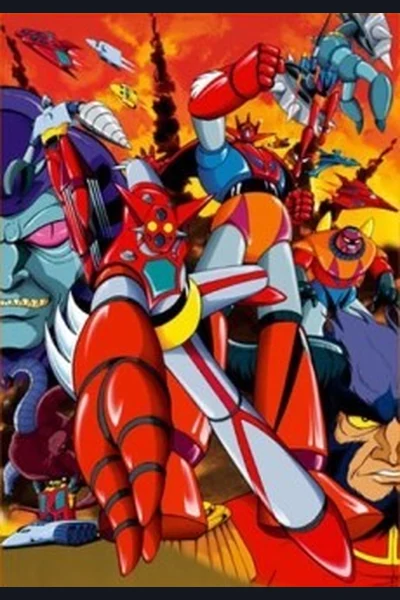
Three pilots, three jets and one transforming super-robot assembled in mid-air; Go Nagai and Ken Ishikawa basically invented the combining-robot genre, and a thousand toy lines along with it.
Overview
Getter Robo is one of the load-bearing girders of super-robot anime. Created by Go Nagai and Ken Ishikawa, it introduced the idea of separate machines combining into different robot forms, a concept so toyetic and narratively useful that half the genre immediately looked up and said, "Yes, we'll be having that."
The basic set-up has three pilots flying Getter Machines that combine in different configurations, producing distinct robot modes for different combat needs. It is a splendidly mad piece of engineering if one ignores physics, aerodynamics and the feelings of any maintenance crew required to watch three jets slam themselves into a giant robot before breakfast.
Why it matters
The historical importance is enormous. Getter Robo helped define the combining-robot formula that would echo through super-robot anime, tokusatsu, toys and later mecha franchises. It sits beside other Go Nagai-linked works as part of the 1970s explosion of giant-robot ideas that turned mechanical transformation into ritual.
Ken Ishikawa's manga material also gave the franchise a stranger, harsher edge than casual viewers might expect from the toy-friendly outline. Over time, Getter Robo became associated not only with heroic shouting and monster battles but with ferocious evolutionary science fiction, cosmic violence and pilots who look as though therapy was cancelled several decades ago.
What to expect
Expect hot-blooded super-robot action, large monsters, dramatic combination sequences and a general disregard for quiet workplace procedure. The franchise is not hard science fiction in the rivet-counting sense. It is mythic machinery: machines as willpower, transformation as destiny, shouting as a renewable energy source.
Depending on the version, the tone can range from 1970s adventure to far darker and more apocalyptic material. The manga and later adaptations often lean into brutality and cosmic dread. This is useful to know before assuming Getter Robo is only bright children's robot fare. The robots may combine, but so do genres, and some of them have teeth.
Adaptations and versions
The original 1970s anime from Toei Animation and the manga by Nagai and Ishikawa form the foundation. The wider franchise includes sequels, reworkings and later animated projects, each emphasising different aspects of the concept: team action, super-robot heritage, evolutionary horror or full-blooded mechanical spectacle.
For final publication, the version history deserves a careful fact-check because Getter Robo branches through many related titles. The core identity, however, is clear: three machines, multiple forms, one foundational idea that helped reshape mecha storytelling.
Where to start
If you want historical context, start near the beginning and watch or read it as a 1970s super-robot landmark. Its age is part of the point. The staging, designs and assumptions tell you what the genre was discovering in real time.
If you prefer something with more modern intensity, sample one of the later adaptations after you understand the premise. The manga is especially valuable if you want to see how wild Ishikawa's vision becomes when allowed to move beyond Saturday-morning machinery.
Verdict The SFcrowsnest take
Getter Robo is primitive in the best science-fictional sense: a raw engine of genre invention still throwing sparks. Without it, the combining super-robot tradition looks very different. It may clank, roar and punch through plausibility, but that is rather the charm. Some machines are built to run quietly. Getter was built to announce the future by crashing into itself mid-air.