
Moe
Cuteness- and affection-driven appeal; 'cute girls (or boys) doing cute things'.

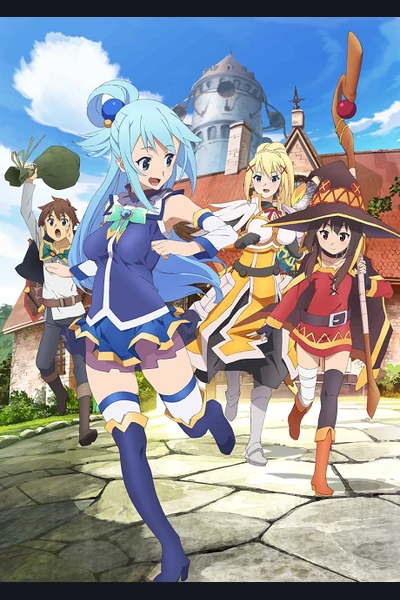
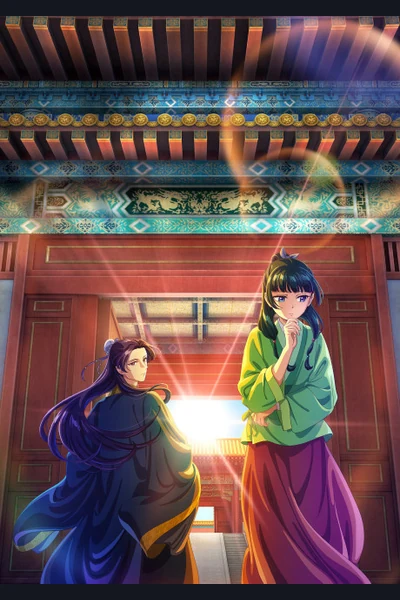
Moe is not quite a genre and not quite a mood. It is the affectionate response a character is designed to provoke: fondness, protectiveness, delight, sometimes the small internal noise of a viewer discovering they would defend a fictional school club with unreasonable force.
In practical terms, moe often means cuteness, vulnerability, enthusiasm and "cute girls doing cute things", though it can apply to boys, mascots or character types outside that phrase. The important point is response. Moe is what the audience feels, or is invited to feel, when a character's habits, design or emotional openness hit the correct soft target.
K-On! is a landmark of the modern moe slice-of-life mode, turning tea, music practice and friendship into a cultural force. Laid-Back Camp uses soft character appeal in a calmer, outdoorsy register. Idol shows, school comedies and fantasy series all borrow moe design logic. Sometimes darker works use cute designs to intensify danger, which can be powerful or manipulative depending on how clean the knife is.
The term is easy to sneer at, partly because cuteness sells and selling cuteness can become cynical very quickly. But moe is not automatically empty. Good moe characterisation finds personality in small behaviours: a hesitation, a hobby, a repeated phrase, a way of failing that feels human.
The audience is anyone who enjoys warmth, charm and character attachment. The warning is simple: cuteness is not a substitute for writing. A pudding may be sweet; it still needs a recipe.
← Back to the full glossary