
Gag comedy
Rapid-fire absurdist jokes and parody, with plot a distant second.
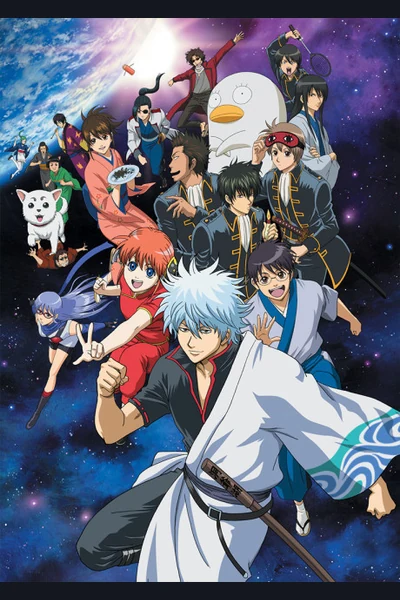
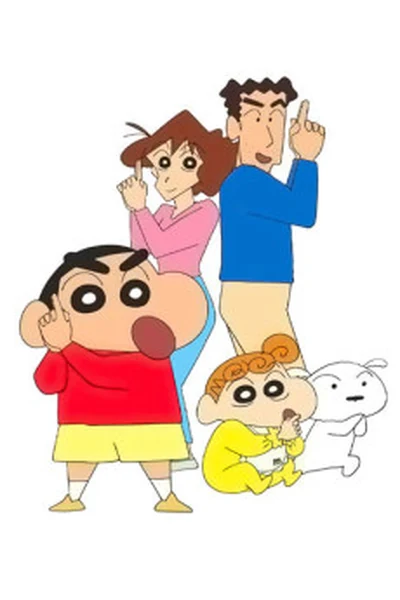
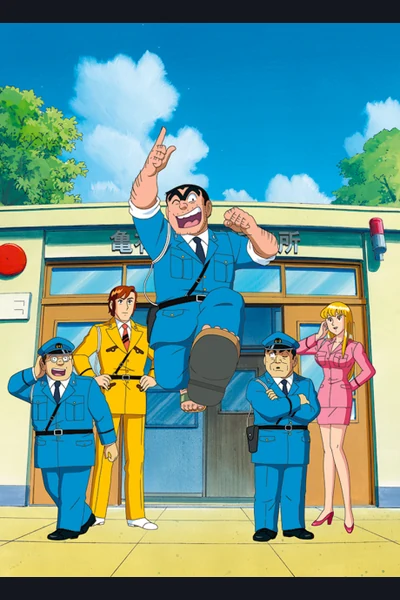
Gag comedy puts the joke in charge and asks plot to wait outside with a magazine. These are series built around rapid-fire sketches, absurd premises, parody, overreactions, wordplay and the noble collapse of dignity.
The form has deep roots in manga, especially four-panel strips and weekly comedy serials where rhythm matters more than narrative momentum. Anime adds timing, voice performance and the dangerous power of a pause held half a second too long.
Gintama is the towering modern all-purpose example: parody, samurai nonsense, science-fiction clutter, toilet humour, sudden sincerity and jokes that occasionally require a working knowledge of Japanese television history and poor personal boundaries. Crayon Shin-chan turns family and childhood misbehaviour into a long-running institution. Dr. Slump, Nichijou, Azumanga Daioh and parts of Konosuba all show different ways gag comedy can bend reality until it squeaks.
The difficulty is translation. Puns, dialect jokes, celebrity references and cultural parody do not always travel neatly. A good localisation can make the comic engine run; a bad one leaves the viewer staring at a punchline like it is a tax form.
Gag comedy suits readers who value timing, surprise and absurdity over careful plot progression. It can be silly, satirical or unexpectedly warm. The best examples know that nonsense is a craft. The worst merely shout and hope volume counts as wit, a theory disproved daily by public transport.
← Back to the full glossary