
Chanbara
Swordplay action; samurai sword-fighting.
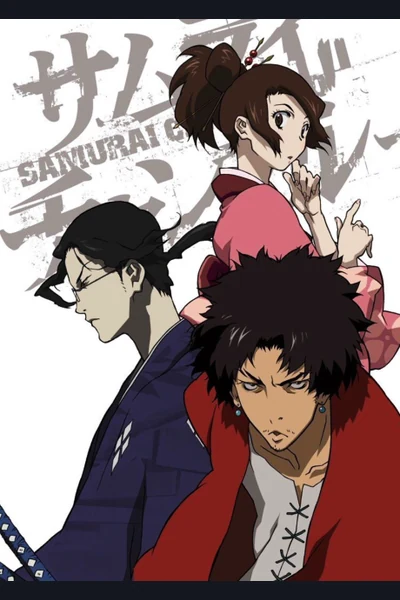
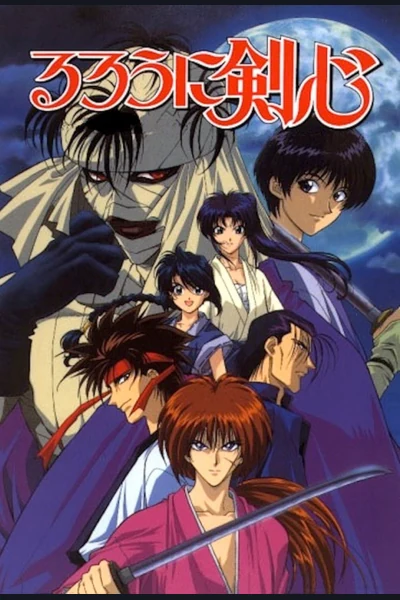
Chanbara is swordplay action: samurai duels, clashing steel, lone wanderers, dojo rivalries, sudden violence in quiet streets and the old truth that a blade is usually less dangerous than the code of honour attached to it.
It overlaps with jidaigeki, but the terms are not identical. Jidaigeki is period drama, usually set in pre-modern Japan. Chanbara is the sword-fighting current within that wider river. If jidaigeki gives you the town, the clan and the social order, chanbara is the moment someone decides conversation has failed.
Anime and manga use it in flexible ways. Rurouni Kenshin turns swordplay toward redemption after civil war. Samurai Champloo cheerfully drags the form through hip-hop, road comedy and stylish anachronism. Demon Slayer borrows sword schools and formalised techniques, then bolts them to supernatural horror and battle-shonen escalation. Older manga and cinema traditions, from Lone Wolf and Cub outward, sit behind many of these works like stern ancestors with excellent posture.
The attraction is not just choreography. A good chanbara scene tells you who a character is. Does the swordsman hesitate? Does the villain enjoy it too much? Is the duel a matter of justice, pride, survival or some ridiculous masculine misunderstanding that could have been solved by tea? These things matter.
Chanbara suits viewers who like action with ritual and consequence. The best examples make every drawn sword feel like history arriving in a hurry. The worst merely wave sharp objects around and hope the soundtrack does the thinking.
← Back to the full glossary