The anime & manga field guide.
168 titles decoded — what each one is, why it matters, what to expect and where to start. Plus the complete Gundam, Macross and Studio Ghibli timelines and a 29-term genre glossary. Spoiler-light, no gatekeeping.
Where to begin without a cork board and red string.
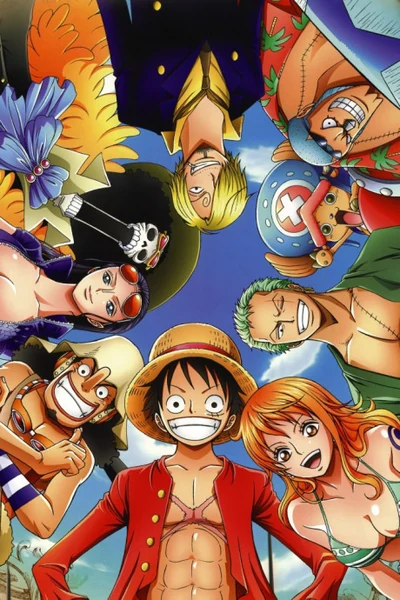
One Piece
A rubber-bodied optimist hunts the world's greatest treasure across a thousand-plus episodes; the best-selling comic ever printed and a lifestyle commitment.
Open guide →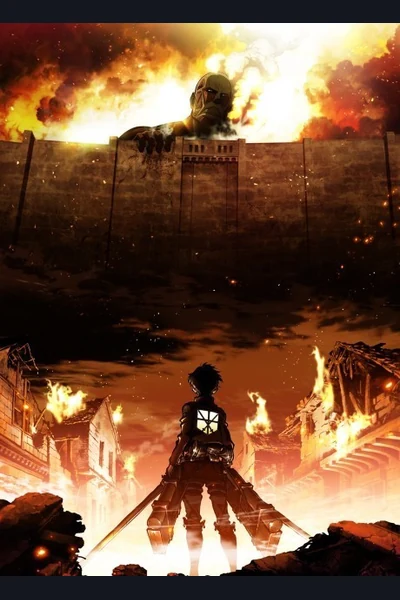
Attack on Titan
Humanity cowers behind giant walls from giant man-eating Titans; starts as straightforward horror and ends as a geopolitical tragedy that ruins dinner parties.
Open guide →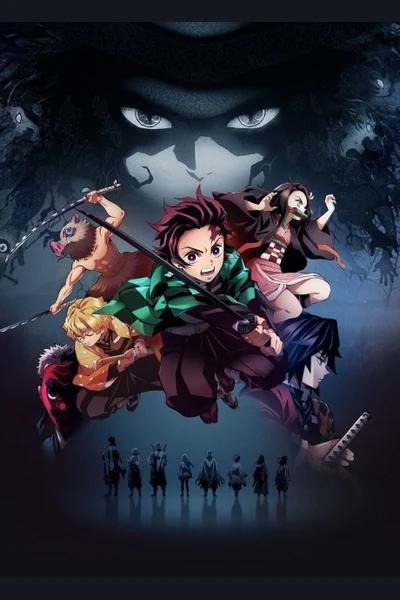
Demon Slayer: Kimetsu no Yaiba
A kind-hearted charcoal-seller has the worst commute home in history and channels his grief into becoming a sword-swinging demon exterminator; ufotable animate it so beautifully you'll forgive the sheer volume of weeping.
Open guide →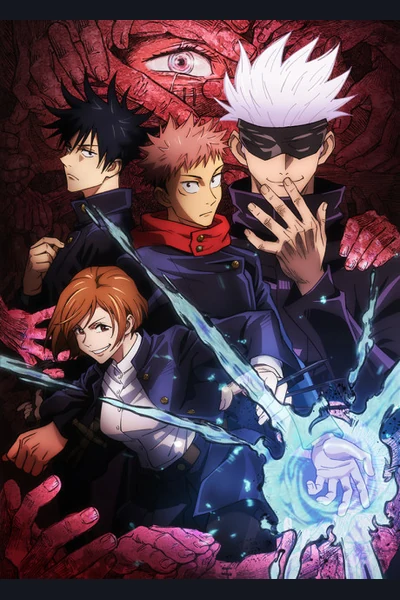
Jujutsu Kaisen
Ordinary teenager eats a cursed finger, acquires the King of Curses as a permanent flatmate, and enrols in sorcery school; MAPPA's animators clearly forgot to sleep.
Open guide →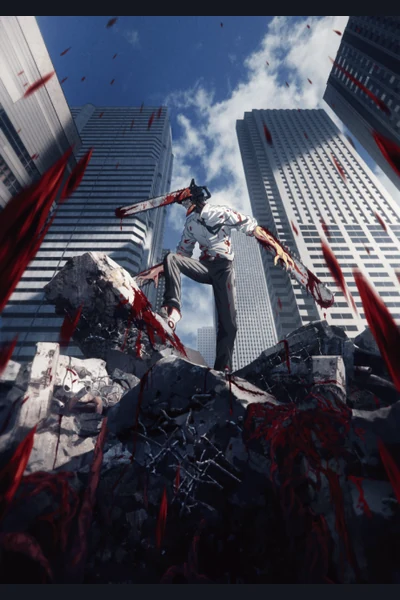
Chainsaw Man
A penniless lad merges with his pet chainsaw devil to claw out of crushing debt; equal parts gore, capitalism and loneliness, with a dog you'll be crying about.
Open guide →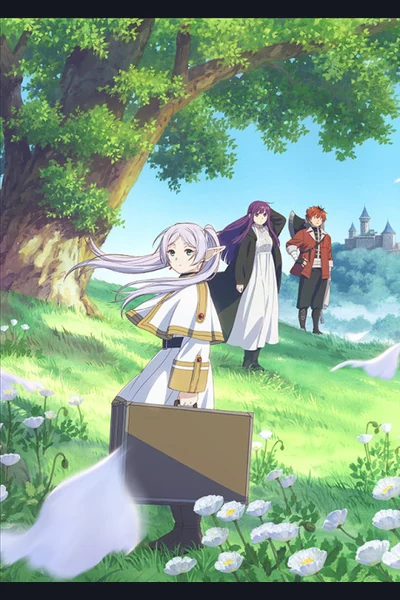
Frieren: Beyond Journey's End
An elf mage outlives her adventuring party and spends a millennium quietly working out what friendship was; melancholy has rarely looked this gorgeous.
Open guide →For when one title is never enough.
 23 entries
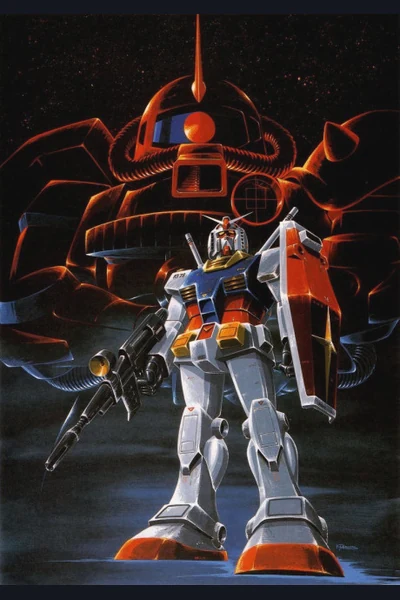
Gundam
Mobile suits, space colonies and the original “real robot” saga — across a dozen parallel timelines.
Enter the hub →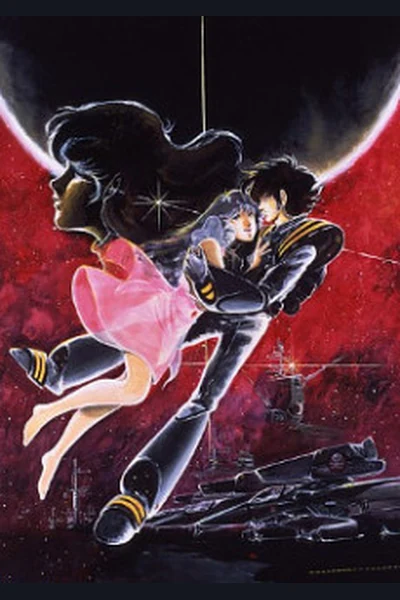 13 entries
Macross
Transforming jets, love triangles and pop idols whose songs win wars — Robotech tangle untangled.
Enter the hub →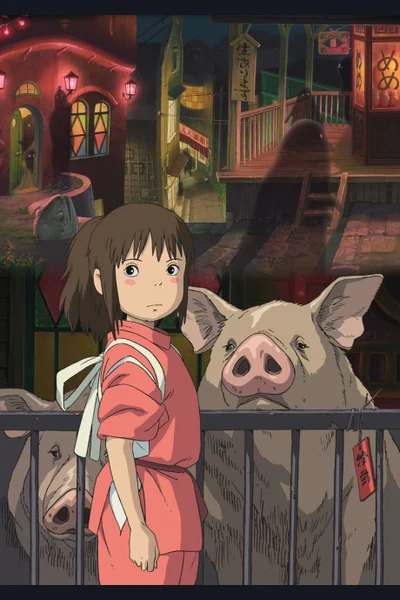 25 entries
Studio Ghibli
The most beloved animation house in the world — hand-drawn, humane and quietly devastating.
Enter the hub →Pick your poison.





Isekai? Seinen? Iyashikei? We translate the jargon.
A plain-English glossary of 29 terms — including the reminder that shonen, seinen, shojo and josei are audience categories, not genres. No gatekeeping, no homework.