The Elfstones of Shannara
The book where the Shannara saga found its own voice; its tree-rebirth tragedy remains one of commercial fantasy's most affecting endings, and it anchored the MTV adaptation.

The essential authors of science fiction, fantasy & horror — and where to start reading them.
Book Entry · Fantasy
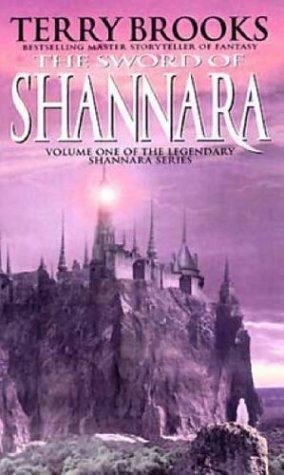
by Terry Brooks · 1977 · Shannara, book 1
Half-elven Shea Ohmsford, last heir of the Shannara bloodline, is roused from his Vale village by the druid Allanon: the Warlock Lord has returned, and only the legendary Sword of Shannara — and only Shea's hand on it — can end him. The fellowship, the flight from black-winged hunters, the broken party and the siege all follow Tolkien's blueprint closely enough that critics filed lawsuits-by-review; the Sword's actual power, though — it reveals truth, and the Warlock Lord's unmaking is self-knowledge — is Brooks's own, and the book's engine is honest momentum. Readers voted with thirty-odd million Shannara purchases over the decades that followed.
The first fantasy paperback on the New York Times trade list and the proof that created the post-Tolkien fantasy industry: commercially, among the most consequential genre novels ever published. MTV's The Shannara Chronicles later adapted the sequel.
Brooks's multi-era saga of the Four Lands — elves, druids and the Ohmsford bloodline — which is quietly our own world, long after the apocalypse. The series that built the commercial fantasy category.
In the Guide from Shannara:
Prefer Amazon? Buying through these links may earn SFcrowsnest a small commission, at no extra cost to you.
Buy on Amazon UK → Buy on Amazon US →As an Amazon Associate, SFcrowsnest earns from qualifying purchases.
The book where the Shannara saga found its own voice; its tree-rebirth tragedy remains one of commercial fantasy's most affecting endings, and it anchored the MTV adaptation.
The Elenium demonstrated the Eddings machine ran just as well with older protagonists and darker church politics — and its weary knight-errant prefigured a generation of middle-aged fantasy leads.
The launch of the genre's bestselling post-Tolkien saga (ninety-plus million copies): for the 1990s, this was what 'epic fantasy' meant, and Amazon's 2021 series renewed the franchise for another generation.