The Hitchhiker's Guide to the Galaxy
The funniest book the genre has produced and one of the most beloved British novels of any kind — radio, TV, film, towel and the name of at least one asteroid attest to a cultural footprint few authors match.

The essential authors of science fiction, fantasy & horror — and where to start reading them.
Book Entry · Science Fiction
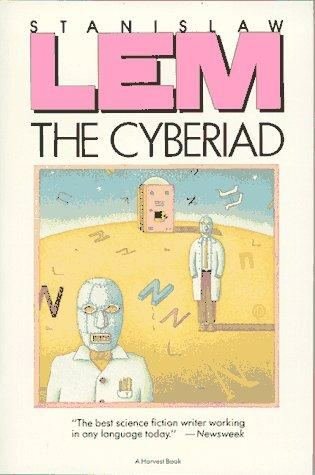
Trurl and Klapaucius, rival constructor-engineers in a universe populated almost entirely by robots, build machines to order for kings, pirates and their own vanity: a machine that composes poetry (after digesting the history of the universe), a miniature kingdom for a deposed tyrant that raises the ethics of simulated suffering decades early, a dragon-probability amplifier, and a machine that can create anything beginning with N — including, fatally, Nothing. Lem's cybernetic fairy tales run on wordplay that should be untranslatable; Michael Kandel's English rendering is itself a legendary feat. Philosophy of mind, computation and tyranny, disguised as the funniest robot folklore ever written.
A masterpiece of comic SF and a quiet syllabus of AI ethics before the field existed; its simulated-worlds fable ('The Seventh Sally') is standard citation in philosophy-of-mind courses.
Prefer Amazon? Buying through these links may earn SFcrowsnest a small commission, at no extra cost to you.
Buy on Amazon UK → Buy on Amazon US →As an Amazon Associate, SFcrowsnest earns from qualifying purchases.
The funniest book the genre has produced and one of the most beloved British novels of any kind — radio, TV, film, towel and the name of at least one asteroid attest to a cultural footprint few authors match.
Generally rated the sharpest of the sequels, with the B Ark as perhaps the most pointed satirical conceit in comic SF.
Hugo and Nebula winner, and one of the most reprinted SF stories ever written — the genre's definitive fable of civil disobedience.