Cyteen
Hugo winner (1989) and a regular pick for the best SF novel about cloning ever written; its psychogenesis arguments anticipate decades of behavioural-genetics debate.

The essential authors of science fiction, fantasy & horror — and where to start reading them.
Book Entry · Science Fiction
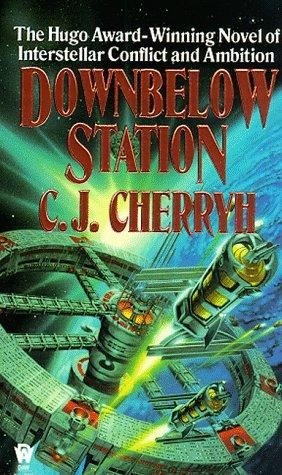
The Company War is ending and Pell Station is where the bill arrives: refugee ships docking with the desperate and the dying, Earth's brutal Mazianni fleet treating the station as a resource, Union's cloned legions advancing, and between them the Konstantin family trying to keep life support, law and decency running — while on the planet below, the gentle, hisa watch their human friends with incomprehending loyalty. Cherryh writes war as logistics and exhaustion: docking schedules, ration lines, loyalty under interrogation. The merchanter families' declaration of independence births the Alliance, and modern space opera grows up.
Hugo winner (1982) and the cornerstone of the Alliance-Union future history; its station-level realism is the acknowledged foundation for The Expanse school of space opera.
Cherryh's vast future history of merchanter families, station politics and the cloned azi of Union — interstellar geopolitics with the economics done properly.
In the Guide from Alliance-Union:
Prefer Amazon? Buying through these links may earn SFcrowsnest a small commission, at no extra cost to you.
Buy on Amazon UK → Buy on Amazon US →As an Amazon Associate, SFcrowsnest earns from qualifying purchases.
Hugo winner (1989) and a regular pick for the best SF novel about cloning ever written; its psychogenesis arguments anticipate decades of behavioural-genetics debate.
Hugo winner (1992) — one of Bujold's record-equalling four — and the series' emotional foundation: Miles's entire story is this book's consequences.
The heart of the foundational space opera series; the Lens is a direct ancestor of the Green Lantern Corps, and the Boskone war shaped all galactic-conflict SF after it.