Who is Patrick Rothfuss?
A Wisconsin college lecturer who spent a decade and a half polishing one enormous manuscript and released its first third in 2007 as The Name of the Wind: the life of Kvothe — arcanist, musician, legend and possibly the most accomplished unreliable narrator in modern fantasy — told by the man himself, retired behind an innkeeper's bar with his own obituary in circulation. The prose is tuned like the lute its hero plays, the magic (sympathy) runs on thermodynamics, and the frame story leaks dread into the legend. Two volumes of the Kingkiller Chronicle exist; the third, The Doors of Stone, has become the genre's most awaited book alongside Martin's Winds — a vigil Rothfuss endures publicly, between prodigious charity fundraising.
Why they matter
The Name of the Wind is among the most beloved fantasy debuts of the century — the book that proved lyrical, interior, single-voice storytelling could sell at blockbuster scale and that brought a vast non-genre readership across the border.
Essential books — and where to start
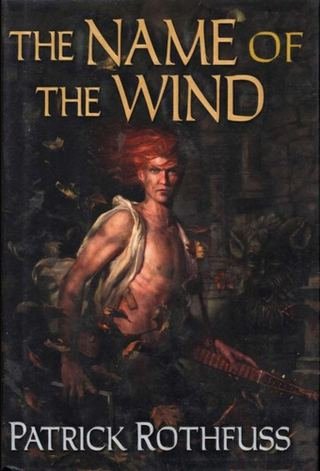
2007 · The Kingkiller Chronicle, book 1 · Fantasy · Epic Fantasy, Heroic Fantasy
In the Waystone Inn, a red-haired innkeeper named Kote polishes glasses and waits, the reader gradually understands, to die — until the Chronicler arrives and Kvothe agrees to tell the true story behind his own legend, in three days. Day one: the troupe childhood ended by the Chandrian (whose name it is unwise to say), the feral Tarbean years, and the University — admission argued at fifteen, tuition won by audacity, the Archives barred, the lute redeemed, sympathy mastered, Denna met and lost on schedule. Rothfuss tunes the prose to the music his narrator keeps invoking, and salts the legend with the frame's quiet dread: the man telling this story believes it ends badly.

2011 · The Kingkiller Chronicle, book 2 · Fantasy · Epic Fantasy, Heroic Fantasy
Day two of the telling, and Kvothe's legend goes professional: a term among the Maer's court politics in Vintas, a bandit hunt in the Eld that ends in the Fae realm with Felurian (the interlude readers argue about most), training in the Adem's mercenary canon of the Lethani, where his music is property and his swordsmanship merely adequate, and the massacre of a false troupe that hardens his name from prodigy to killer. The frame tightens between sessions — the inn's silence less retirement than wreckage, Bast's agenda less loyal than it looks. Longer, looser and darker than its predecessor, with the gap between legend and liar widening on purpose.
Series
b. 1974 · British
The defining grimdark author after Martin: Abercrombie perfected the character-voice-driven, blackly comic register that dominates modern adult fantasy, and his fight scenes and moral hangovers are the subgenre's house style.
1931–2009 · American
The gateway epic fantasist for a generation of 1980s–90s readers: the Belgariad's chatty, character-first formula taught millions that doorstop fantasy could be comfort reading, and its fingerprints are on every found-family quest since.
b. 1945 · American
Magician is one of the defining epic fantasies of its era — a fixture of fantasy starter lists for forty years — and the Midkemia model (gaming world to publishing empire) prefigured the genre's whole relationship with tabletop culture.
