Author Profile · Science Fiction
Kurt Vonnegut
1922–2007 · American
Who was Kurt Vonnegut?
Indianapolis-born, Dresden-bombed, General Electric-employed and permanently sceptical of all three experiences, Vonnegut used science fiction's toolkit — time travel, aliens, doomsday devices — to write moral fables disguised as jokes, or possibly the reverse. He resented the SF label ('the drawer labelled science fiction... many serious critics regularly mistake the drawer for a urinal') while filling his books with chrono-synclastic infundibula, Tralfamadorians and the hack SF writer Kilgore Trout, his own funhouse reflection. Slaughterhouse-Five, built around the firebombing he survived in a slaughterhouse meat locker, became one of the defining American novels of the century. So it goes.
Why they matter
The writer who smuggled SF's ideas into the literary mainstream and the counterculture's bloodstream. Cat's Cradle and Slaughterhouse-Five are permanent classics whose fatalist comedy shaped generations of writers on both sides of the genre fence.
Essential books — and where to start
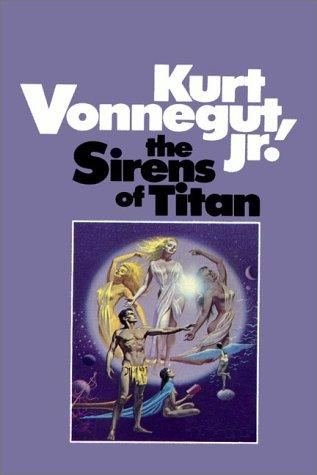
1959 · Science Fiction · Satirical SF, Space Opera
Malachi Constant, the luckiest and emptiest man in America, is informed by Winston Niles Rumfoord — a gentleman who flew his spaceship into a chrono-synclastic infundibulum and now exists as a wave phenomenon, materialising on schedule — that he will breed with Rumfoord's wife on Mars, lose everything, and end on Titan. He does, via a Martian invasion designed to fail, a new religion (the Church of God the Utterly Indifferent) and the revelation that all human history has been engineered to deliver a spare part to a stranded alien messenger whose message is 'Greetings'. Vonnegut's cosmic joke book, with a broken heart.
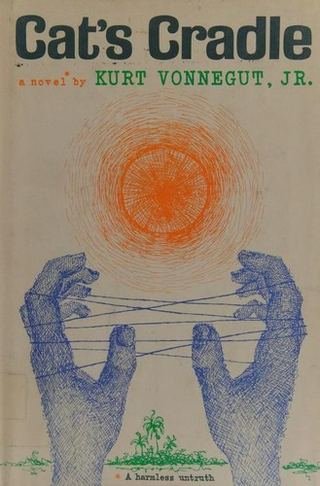
1963 · Science Fiction · Satirical SF, Post-Apocalyptic
A journalist researching the father of the atom bomb uncovers Felix Hoenikker's other legacy: ice-nine, a seed crystal that freezes any water it touches, currently split between three damaged children. The trail leads to the Caribbean dictatorship of San Lorenzo and to Bokononism, the island's outlawed religion, founded on the principle that it is entirely made of lies ('Live by the foma that make you brave and kind and healthy and happy'). Science without conscience meets faith without truth, and the world ends — politely, stupidly, by accident — exactly as promised. Vonnegut received a master's in anthropology for it, twenty years late.
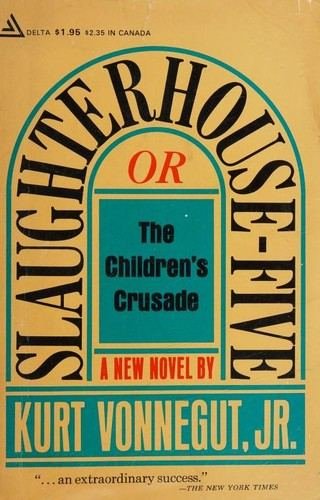
1969 · Science Fiction · Time Travel, Literary SF, Satirical SF
Billy Pilgrim — optometrist, prisoner of war, survivor of the Dresden firestorm, abductee of the Tralfamadorians, who see all moments at once and keep him in a zoo with a film star — has come unstuck in time, and the novel comes unstuck with him, shuffling his life into a mosaic where the firebombing sits beside the wedding night and the assassination. Vonnegut spent twenty years failing to write his Dresden book before realising the failure was the form: there is nothing intelligent to say about a massacre. The birds say all there is: Poo-tee-weet. So it goes — one hundred and six times.
1894–1963 · British
Co-author, with Orwell, of the modern political imagination: every debate about engineered consent, designer babies and medicated happiness reaches for Brave New World.
1921–2006 · Polish
World SF's first undisputed giant outside the Anglosphere and the genre's most rigorous philosopher of the truly alien.
1903–1950 · British
Nineteen Eighty-Four is the most politically consequential novel of the twentieth century, in or out of genre: the book that armed ordinary language against totalitarianism.
