
The King of Braves GaoGaiGar
A cyborg boy and a courageous robot lion combine into a fist-of-justice super-mecha; the high-water mark of the gleefully earnest 'Brave' super-robot tradition.
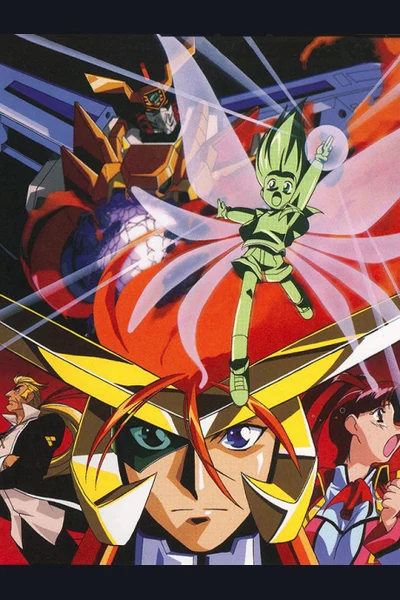
Overview
The King of Braves GaoGaiGar is super-robot anime with its sincerity dial not merely turned up to eleven but removed from the machine and blessed by a lion. Produced by Sunrise as part of the Brave series tradition, it centres on heroic machines, a cyborg warrior and the fight against alien threats that endanger Earth.
The signature image is almost absurdly pure: courage, combining machinery, a robot lion and a fist-of-justice aesthetic that does not so much wink at the audience as charge across the room shouting the value of bravery. In an age increasingly fond of irony, GaoGaiGar stands there gleaming, unembarrassed and ready to punch a cosmic problem in the face.
Why it matters
GaoGaiGar is often treated as a high-water mark of the Brave super-robot lineage, arriving near the end of that television tradition and distilling its appeal. It combines toyetic transformation with escalating mythology, team dynamics and an almost liturgical belief in hot-blooded heroism.
Its importance is also tonal. Not all genre work needs to be cynical to be intelligent. GaoGaiGar understands exactly what kind of story it is telling and pursues it with tremendous conviction. The result can be ridiculous, but ridicule rather bounces off it. One does not shame a cathedral for containing stained glass.
What to expect
Expect shouted attacks, combining sequences, children and machines bound by destiny, and a growing conflict that expands from colourful adventure into grander SF stakes. The show begins in a recognisably episodic super-robot mode, then becomes more elaborate as its mythology accumulates.
There is a lot of repetition by modern standards, because transformation and attack rituals are part of the genre's pleasure and also part of the commercial grammar. The trick is whether the viewer finds those rituals thrilling or merely evidence that someone discovered the reuse button.
The emotional register is earnest. GaoGaiGar does not apologise for believing in courage. It puts courage in capital letters, attaches rocket boosters and asks the animation department to underline it.
Adaptations and versions
The original television anime is the key entry, followed by sequel material and related Brave-series context. Although it sits within a broader lineage of Sunrise super-robot shows, newcomers do not need to watch the entire Brave family before beginning.
The important publication note is to distinguish GaoGaiGar as a specific work from the broader Brave franchise. It is connected to that tradition, but its own identity is strong enough to stand at the centre of the page.
Where to start
Start with the original series. Let the early formula establish its grammar, then follow as the stakes and mythology build. It rewards viewers who can accept the ceremonial pleasures of super-robot storytelling.
If your preferred SF is quiet, ambiguous and morally grey, this may arrive wearing too much gold. If you want heroic machinery with absolute confidence in its own thunder, proceed.
Verdict The SFcrowsnest take
The King of Braves GaoGaiGar is joyful, excessive and almost aggressively sincere. It is not subtle, but subtlety is not always the correct spanner for the job. Sometimes what the universe needs is a robot lion, a drill, a finishing move and the courage to mean it.