
Speed Racer (Mach GoGoGo)
Go, Speed Racer, go: the Mach 5, the white jumpsuit and the most frantic theme tune of the 1960s; pure petrol-headed Tatsunoko cool.
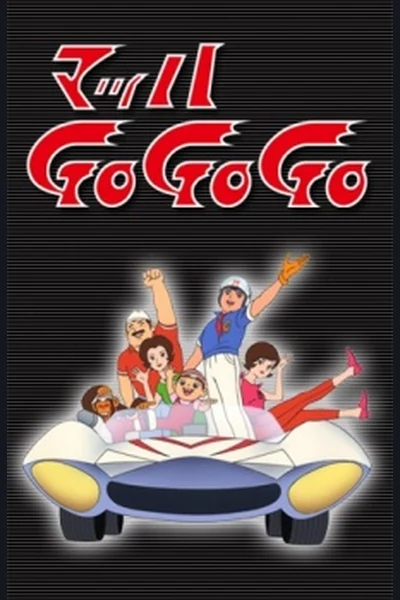
Speed Racer drives the Mach 5, a white racing car fitted with retractable saws, jump jacks and enough concealed equipment to make ordinary motorsport regulations quietly leave the room. He competes against criminals, assassins and courses whose designers appear to regard cliffs as track furniture.
Tatsuo Yoshida's manga began in 1966, influenced by motor racing and sleek Western adventure design. Tatsunoko Production's anime Mach GoGoGo followed in 1967. Its heavily localised American edition became Speed Racer, complete with rapid dialogue, renamed cast and a theme song capable of overtaking thought.
Overview
Speed comes from a racing family led by Pops Racer, designer of the Mach 5. Girlfriend Trixie, young Spritle and chimpanzee Chim-Chim support or infiltrate races according to operational need. The mysterious Racer X is secretly Speed's estranged brother Rex, a fact concealed with the aid of sunglasses and everybody's polite refusal to notice family resemblance.
Episodes combine racing with espionage, sabotage and exotic locations. Winning may require exposing criminals, rescuing competitors or activating a dashboard button whose purpose would alarm the roadworthiness inspector.
Why it matters
Speed Racer became one of the earliest anime properties to gain broad American recognition. The dub's breathless delivery and editing were mocked, imitated and ultimately absorbed into pop culture. Beneath the camp lies strong graphic design: the Mach 5, Speed's helmet and Racer X remain instantly readable.
The series treats racing as adventure rather than sport simulation. Cars are character, technology and fantasy. Tatsunoko's dynamic angles helped define a form of animated cool later shows refined but rarely made more enthusiastic.
What to expect
Expect dangerous races, gunplay, crashes, comic sidekicks and 1960s attitudes. Fatalities and threats occur, though presentation targets family audiences. The original and dub can feel markedly different in tone.
Mechanical realism is not invited. The Mach 5 can leap obstacles because a button says so, the purest possible expression of user-centred design.
Adaptations and versions
The 1967 anime and its Speed Racer localisation are the central versions. Later animated remakes and sequels update the concept with varying success.
The Wachowskis' 2008 live-action film was initially rejected by many critics but developed a strong following for its maximalist colour, anti-corporate plot and refusal to make the material embarrassed by itself. It is visually overwhelming and spiritually accurate.
Where to start
Sample the classic English dub for cultural history or the Japanese version for original context. Then try the 2008 film if bright colour does not trigger a request for protective eyewear. Continuity is minimal; choose a race and accelerate.
Verdict The SFcrowsnest take
Speed Racer is pure petrol-headed optimism with a suspicious number of criminal conspiracies in the paddock. Its dub is dated, its machinery impossible and its visual identity permanent.
Historically important and still fun when approached at the correct velocity. Go, Speed Racer, go—preferably after checking whether Spritle and the chimp are hiding in the boot again.