Slayers
A pint-sized, hot-tempered sorceress and her dim swordsman sidekick blast their way across a comic fantasy world; a 90s gateway drug for a generation of fantasy fans.
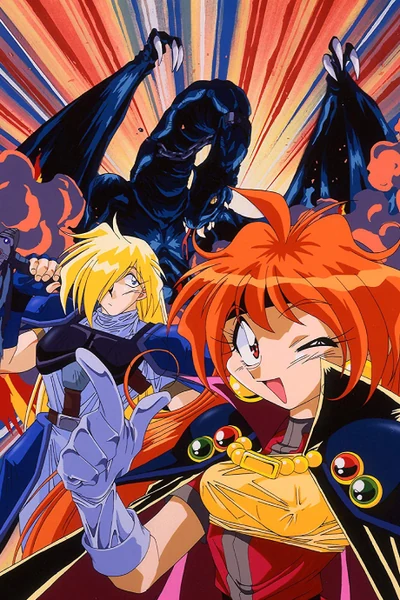
Lina Inverse is a teenage sorcerer of extraordinary power, limited patience and an appetite that has caused local catering industries to revise their forecasts. She robs bandits on the reasonable principle that stolen treasure is already accustomed to changing hands. Then swordsman Gourry Gabriev attempts to rescue her, and the countryside's structural problems begin.
Overview
Hajime Kanzaka's light novels combine comic fantasy with genuine apocalyptic stakes. Lina and the well-meaning but dim Gourry are joined by chimera swordsman Zelgadis and justice-obsessed princess Amelia. Their arguments can flatten an inn before the enemy arrives.
The signature Dragon Slave spell is not a polite fireball but an invocation of terrifying power. That contrast defines Slayers: jokes, hunger and petty rivalry sit beside a cosmology of demon lords capable of ending existence. The comedy does not invalidate the danger; it gives the characters something to protect besides their dramatic profiles.
Why it matters
The franchise made Lina one of the defining fantasy heroines of 1990s anime. She is neither supporting mage nor serene chosen princess. Brilliant, greedy, vain and fundamentally decent when catastrophe demands it, she occupies the story with the confidence of somebody who can remove the surrounding block.
For international audiences, the television series became an important early gateway to anime comedy and fantasy. Its vocal performances, running jokes and party chemistry survive animation budgets that occasionally appear to have been lost at dice.
What to expect
Expect slapstick, spell battles, parody, monsters and serious arcs arriving after everybody has finished arguing about dinner. Early humour includes body-shaming, gender jokes and comic violence typical of its period. Some has aged better than the rest.
The magic vocabulary grows, but the emotional map remains clear: Lina insults her friends, her friends insult Lina, and any outsider threatening them should update their will.
Adaptations and versions
The light novels are the source. The 1995 television anime begins a run through Slayers Next and Slayers Try, mixing adaptation with original material; later Revolution and Evolution-R reunite the central cast. Continuity is friendly enough if watched in release order.
Films and OVAs generally follow earlier adventures featuring Lina and rival sorceress Naga. Manga versions adapt or extend selected stories but are not the franchise's foundation.
Where to start
Start with the original television series and continue to Next, often considered its strongest balance of comedy and plot. The novels offer a somewhat sharper Lina and storylines the anime remixes. Save the Naga films for when maximum laughter per cape is desirable.
Verdict The SFcrowsnest take
Slayers is what happens when the party's wizard knows she is the main character and invoices accordingly. Scruffy in places but buoyed by magnificent chemistry, it can mock fantasy excess before producing a larger explosion than the stories it mocked. Lina Inverse remains a national emergency with excellent comic timing.