Saint Seiya (Knights of the Zodiac)
Teenage warriors don constellation-themed armour and clobber one another across zodiac temples; colossal in France, Italy and Latin America to this very day.
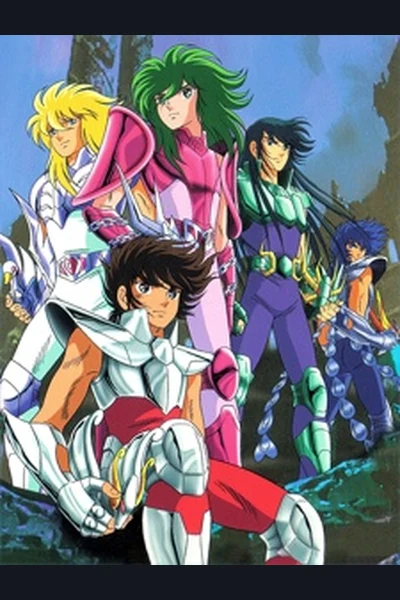
Seiya is one of several orphaned boys trained to become Saints, warriors who burn their inner Cosmos and wear sacred armour called Cloths. He earns the Pegasus Cloth and joins fellow Bronze Saints in protecting the reincarnated goddess Athena. The job combines mythological guardianship with an alarming amount of being thrown through classical architecture.
Masami Kurumada's manga ran in Shueisha's Weekly Shonen Jump from 1986 to 1990 and filled 28 volumes. Toei Animation's television anime began in 1986, becoming a major success in France, Italy, Spain and Latin America even where English-language broadcasters treated it with less consistency.
Overview
Seiya fights alongside Dragon Shiryu, Cygnus Hyoga, Andromeda Shun and Phoenix Ikki. Each Cloth draws power and design from a constellation. The central Sanctuary arc sends them through twelve temples guarded by Gold Saints in a race to save Athena.
Battles are contests of endurance and conviction. Blood flows freely, armour cracks and a hero may explain that the same technique cannot work twice on a Saint shortly before somebody tests the warranty.
Why it matters
Saint Seiya fused sentai-style team identity, mythological spectacle and wearable armour into a hugely marketable battle saga. The Gold Cloths in particular turned zodiac signs into character allegiance, ensuring astrology finally acquired sufficient shoulder protection.
Kurumada's storytelling is direct and repetitive but emotionally absolute. Friendship and sacrifice matter more than tactical subtlety. Shun's gentleness and reluctance to fight offered a different heroic masculinity, even when later adaptations struggled with what to do about it.
What to expect
Expect stylised but abundant violence, blood, sacrifice and escalating myth. Romance is slight. The original anime contains filler and changes, including an Asgard arc admired by many fans despite lacking a manga source.
Localisations vary sharply. Some English versions cut violence, changed music or altered characters; Latin and European dubs often preserve a different cultural memory of the series.
Adaptations and versions
The original anime covers Sanctuary, Asgard and Poseidon. The Hades manga material was adapted later through OVA series. Spin-offs include The Lost Canvas, Saintia Sho, Omega and Soul of Gold, each occupying different corners of the mythology.
Computer-animated remakes and the live-action Knights of the Zodiac film offer alternate introductions with substantial changes. Neither replaces the classic route.
Where to start
Read manga volume one or watch the 1986 anime, allowing it to reach the Sanctuary battles before deciding. Modern viewers wanting tighter plotting may prefer the manga. Add Hades after the original arcs; spin-offs can wait outside the temple.
Verdict The SFcrowsnest take
Saint Seiya is heroic melodrama forged into constellation armour. It repeats itself, bleeds enthusiastically and believes friendship can survive another impossible staircase.
The original remains essential to understanding global anime fandom beyond the English-speaking market. Wear the appropriate zodiac gold if available; ordinary knitwear will not survive the opening exchange.