Oishinbo
A journalist hunts the 'ultimate menu' one exquisitely described dish at a time; the food manga that taught the entire genre how to make readers ravenous.
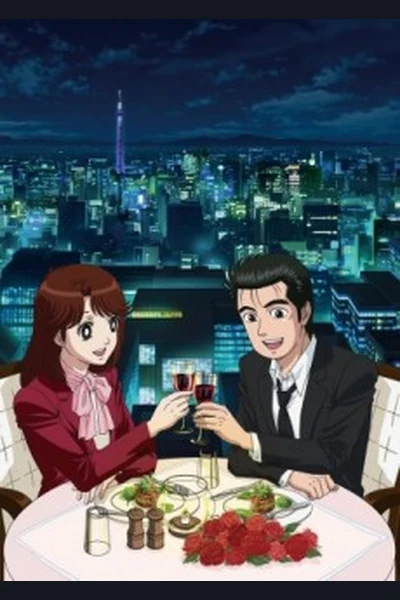
Shiro Yamaoka is a newspaper journalist whose cultivated laziness conceals extraordinary knowledge of food. He and colleague Yuko Kurita are assigned to create the Ultimate Menu, a celebration of Japanese cuisine. Their rival is the Supreme Menu overseen by gourmet tyrant Yuzan Kaibara, who is also Shiro's estranged father. Family therapy has been replaced by competitive stock preparation.
Tetsu Kariya writes Oishinbo with art by Akira Hanasaki. The manga began in Shogakukan's Big Comic Spirits in 1983 and ran for more than a hundred volumes before entering a long hiatus. Shin-Ei Animation produced a television anime from 1988 to 1992, followed by specials.
Overview
Each story examines an ingredient, dish or culinary principle. Shiro exposes poor farming, careless preparation and status-driven dining while Yuko supplies tact and curiosity. Kaibara enters to declare something inedible with the force of a magistrate discovering treason in the soup.
The series ranges across regional Japanese cuisine and foreign food, using journalism as an excuse to visit producers, kitchens and arguments. Meals resolve personal disputes with impressive regularity.
Why it matters
Oishinbo helped establish food manga as a major genre. Its attention to ingredients and technique makes taste legible through drawings, a difficult act considering the page has declined to provide aroma.
The father-son conflict adds bitterness to the menu. Shiro's expertise comes partly from Kaibara's abusive perfectionism; every victory risks becoming another form of inheritance.
What to expect
Expect detailed culinary discussion, episodic drama and strong authorial opinions. Some claims about nutrition, nationality and “authenticity” have dated or remain disputed. The series' 2014 Fukushima storyline caused controversy over its depiction of radiation effects, and publication later entered hiatus. Claims should be checked rather than served as medical fact.
Animal slaughter and food production are discussed directly. This is comforting reading until it decides the reader should understand where dinner came from.
Adaptations and versions
The anime adapts selected cases with a warm, accessible tone and does not cover the entire manga. English manga editions have been released thematically rather than as a complete chronological run, making them useful samplers but not the whole menu.
Where to start
Try a themed English collection or selected subtitled anime episodes. Strict order is unnecessary early on. Do not read while hungry unless the household contains specialist stock and a parent willing to criticise it.
Verdict The SFcrowsnest take
Oishinbo is food writing as family combat: informative, opinionated and capable of making rice look like a moral decision. Its certainty requires scrutiny; its appetite is infectious.
An essential gourmet manga, best consumed with fact-checking and lunch.