
Doraemon
The robotic cat from the future with a four-dimensional pocket; across much of Asia he's bigger than Mickey Mouse, and the daft gadgets are half the joy.
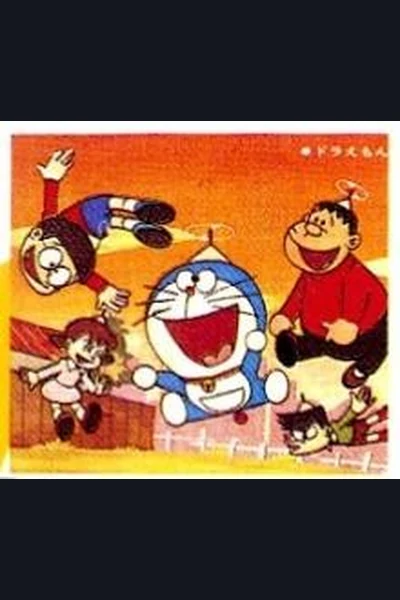
Nobita Nobi is lazy, unlucky, poor at school and destined to leave descendants with substantial debt. His great-great-grandson sends Doraemon, a robotic cat from the twenty-second century, back to improve matters. Doraemon owns a four-dimensional pocket filled with future gadgets. Nobita uses these miracles to avoid homework, impress classmate Shizuka and provoke consequences that would justify a stricter lending policy.
Fujiko F. Fujio's manga began in 1969 and continued until the creator's death in 1996. After a brief 1973 adaptation, Shin-Ei Animation launched the long-running 1979 television series; a refreshed production began in 2005. Annual films, games and merchandise made Doraemon one of Japan and Asia's most recognisable characters, despite a relatively modest British profile.
Overview
Typical stories begin with Nobita suffering embarrassment from bully Gian or wealthy show-off Suneo. Doraemon produces a gadget: Anywhere Door, Time Machine, Take-copter or something more specialised and less likely to have completed ethical review. Nobita misuses it, gains temporary advantage and creates a larger problem.
The formula is comic but not cruel. Nobita is weak and selfish, yet capable of kindness. Doraemon is responsible until irritated, fond of dorayaki cakes and terrified of mice due to the loss of his original ears.
Why it matters
The gadgets turn childhood wishes into science-fiction thought experiments. What if one could travel anywhere, duplicate an object or make lies real? The answer is usually that convenience does not repair character and may allow character to damage a wider area.
Doraemon became a cultural symbol of optimistic technology: friendly, useful and domestic. The stories remain alert to misuse without assuming invention itself is corrupt. The future sends help, but help still expects Nobita to try.
What to expect
Expect episodic school comedy, mild bullying, fantasy technology and moral consequences. Violence is slapstick; Gian hits people and tempers flare, but the tone targets families. Older material contains gender roles and jokes of its era.
Films expand into substantial adventures involving dinosaurs, space and environmental themes. They are often more heroic than the domestic episodes while preserving the central group.
Adaptations and versions
The manga consists of short stories rather than one required chronology. The 1979 anime is the classic long-running version; the 2005 series updates cast and production. English dubs exist in some territories but availability is uneven in the UK.
The Stand by Me Doraemon computer-animated films combine famous emotional stories into a more continuous narrative. They are accessible but not substitutes for the everyday comic rhythm.
Where to start
Choose a modern dubbed or subtitled television selection, or a translated manga collection. No order is necessary. A film can demonstrate the emotional scale, but several short episodes better explain why families live with the character for decades.
Verdict The SFcrowsnest take
Doraemon is a perfect children's science-fiction engine: wish, gadget, misuse, consequence and renewed friendship. The repetition is the comfort; the inventions prevent comfort from becoming stillness.
Warm, clever and vastly influential, it deserves greater British recognition. Nobita rarely learns permanently, because permanent learning would end the franchise and destabilise several economies. Doraemon sighs, opens the pocket and tries again.