Crayon Shin-chan
A gleefully rude five-year-old torments his parents and moons at authority; crude, cheerful, and gigantic across Asia, Europe and Latin America.
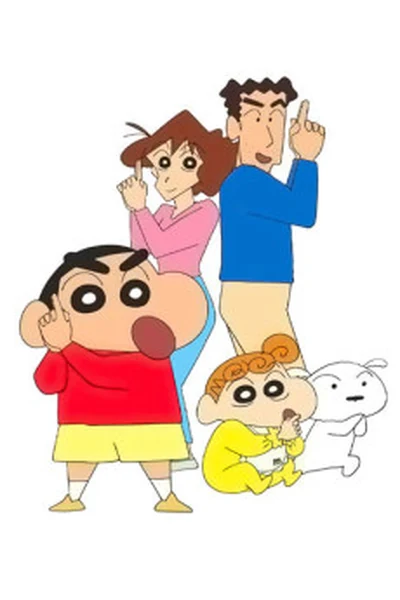
Shinnosuke Nohara is five years old, obsessed with television heroines, fond of exposing his bottom and entirely resistant to the idea that adults deserve an easier day. His mother Misae supplies discipline, his father Hiroshi supplies salary and foot odour, and baby sister Himawari has inherited the family appetite for shiny trouble.
Yoshito Usui's manga began in Futabasha's Weekly Manga Action in 1990. Shin-Ei Animation's television anime followed in 1992 and continues with annual films. Usui died in a hiking accident in 2009; assistants later continued the manga as New Crayon Shin-chan.
Overview
Episodes follow the Nohara household, Futaba Kindergarten and ordinary errands made impossible by Shinnosuke's literal interpretation, wandering attention and lack of trousers. The child is rude, but the real target is often adult respectability. Parents want authority while behaving with vanity, desire and financial panic of their own.
The family is affectionate beneath the irritation. Hiroshi and Misae are not idealised; they are tired adults negotiating mortgages, work and a son who may begin an action song in the supermarket.
Why it matters
Crayon Shin-chan became a major international comedy across Asia, Spain and other markets. Its crude drawing is perfectly tuned to blunt timing and facial indignity. Elaborate art would merely slow the bottom down.
The films frequently exceed expectations, using the familiar family for fantasy, action and surprisingly emotional stories. The Adult Empire Strikes Back is especially admired for turning nostalgia into a threat without losing the jokes.
What to expect
Expect toilet humour, nudity jokes, innuendo, parental shouting and social embarrassment. It is family animation made from an adult gag manga, so suitability depends heavily on edition and local standards.
International dubs often rewrite jokes. The Funimation English version targets older audiences with added American references; it is a comic adaptation, not a faithful translation.
Adaptations and versions
The television series is episodic and can be sampled anywhere after learning the family. Films form standalone adventures with richer animation. Manga and anime differ in emphasis and censorship.
Where to start
Try several standard family episodes before a film. Use a subtitled or responsibly localised edition if cultural context matters. Parents should preview, especially if hoping the programme will improve dinner-table conduct.
Verdict The SFcrowsnest take
Crayon Shin-chan is rude, sharp and far more observant about family life than the exposed-bottom marketing suggests. Shinnosuke is intolerable by design; the parents' survival is the continuing heroic arc.
A comedy institution, best approached with tolerance for bodily functions and sympathy for anyone trying to complete a simple shopping trip.