
Captain Tsubasa
A boy genius who plays football as though it were a martial art; widely credited with inspiring a generation of real-world professionals, Messi and Zidane among them.
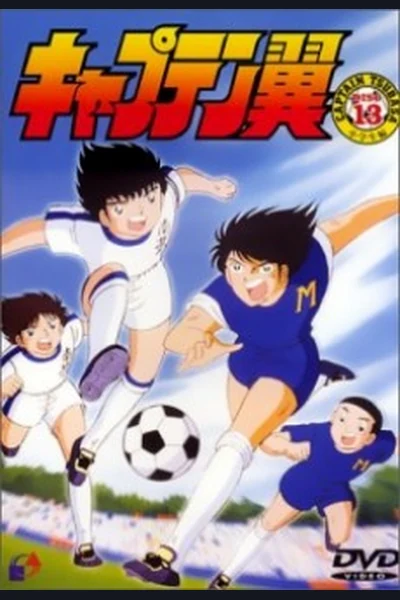
Tsubasa Ozora loves football with a purity normally reserved for religious vision. He moves to Nankatsu, joins a school team and begins a career stretching from youth tournaments towards international competition. The pitches appear several miles long, players remain airborne long enough to reconsider major decisions and the ball is treated as both friend and high-velocity public concern.
Yoichi Takahashi's manga began in Shueisha's Weekly Shonen Jump in 1981. The original television anime followed in 1983, with later adaptations restarting or continuing Tsubasa's career. Manga sequels carried him through World Youth, professional football and Olympic ambitions across more than four decades.
Overview
Tsubasa's rivals include goalkeeper Genzo Wakabayashi, powerful striker Kojiro Hyuga and an expanding international cast. Matches unfold as contests of technique, will and personal history. Named shots behave like special attacks while remaining nominally within a sport whose governing body has shown remarkable tolerance.
The story's emotional vocabulary is straightforward: work, respect and the belief that football connects people across borders. Opponents become admired rivals rather than moral enemies.
Why it matters
Captain Tsubasa helped popularise football among Japanese children and became enormously influential in Europe, Latin America and the Middle East. Numerous professional players have cited it as childhood inspiration, though lists attaching every famous footballer to the series should still be checked rather than passed around like an unmarked transfer rumour.
Takahashi makes football aspirational by exaggerating its feeling. The physics are absurd; the experience of a child imagining the decisive shot is exact.
What to expect
Expect long matches, internal monologue, injuries and techniques that would cause a real physiotherapist to issue a statement. Violence is sporting. Romance is minor and character psychology broad.
Older anime pacing can stretch a run towards goal until the pitch appears to have developed its own horizon. Modern adaptations move faster but repeat familiar beginnings.
Adaptations and versions
The 1983 series is the classic. J, Road to 2002 and David Production's 2018 anime retell or continue different portions. Manga sequel titles form the more complete career chronology.
Where to start
Try the 2018 anime for a modern entrance or the original manga for historical form. The 1983 series is essential nostalgia in countries where it became a television fixture. Choose one retelling before adding the others; even Tsubasa cannot play the same childhood match simultaneously.
Verdict The SFcrowsnest take
Captain Tsubasa turns football into martial mythology and somehow communicates the ordinary love of the game beneath it. Its anatomy and pitch dimensions are adventurous; its enthusiasm is entirely sound.
Foundational sports manga and a genuine global gateway. The ball is Tsubasa's friend. Goalkeepers may wish to seek separate advice.