
Jidaigeki
Period drama set in pre-modern, usually Edo-era, Japan.
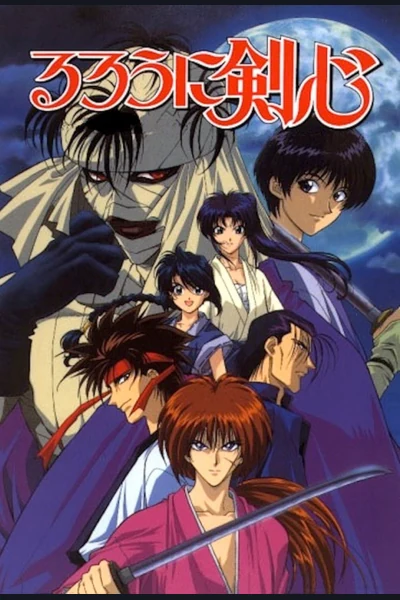
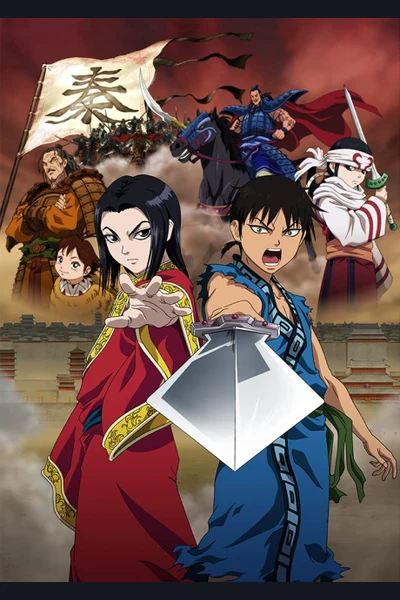
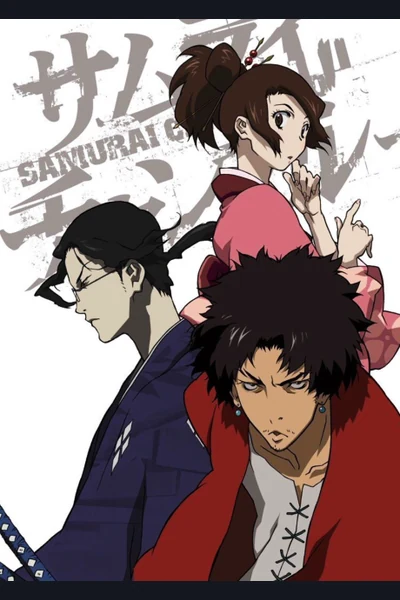
Jidaigeki is Japanese period drama, usually set before the modern era and often associated with Edo-period society: samurai, merchants, farmers, courtesans, magistrates, clan obligations and social rules so dense one suspects they were invented to keep screenwriters busy.
It is not the same thing as chanbara. Chanbara is swordplay action; jidaigeki is the wider historical frame. A jidaigeki story may have duels, but it may just as easily focus on family, politics, status, craft, revenge, ghosts or the daily misery of being born under the wrong roof.
Anime and manga use jidaigeki both seriously and playfully. Rurouni Kenshin lives in the shadow of the Meiji Restoration, where old swordsmen must decide what to do with peace. Samurai Champloo treats history like a record crate, remixing Edo-period wandering with hip-hop swagger. Princess Mononoke is not strict jidaigeki, but its mythic historical setting shares the genre's interest in social change and power. Golden Kamuy, set later in the early twentieth century, shows how historical adventure can sprawl beyond tidy labels.
The appeal lies in pressure. Period settings make social rules visible. Who can speak? Who must bow? Who owns land, weapons, names or silence? Once those rules are clear, drama has somewhere to push.
Jidaigeki suits viewers who enjoy history, costume, social tension and the slow burn of duty versus desire. The past here is not wallpaper. It is a trap with excellent production design.
← Back to the full glossary