Isekai
'Another world': an ordinary person is transported, summoned or reborn into a fantasy or game world.
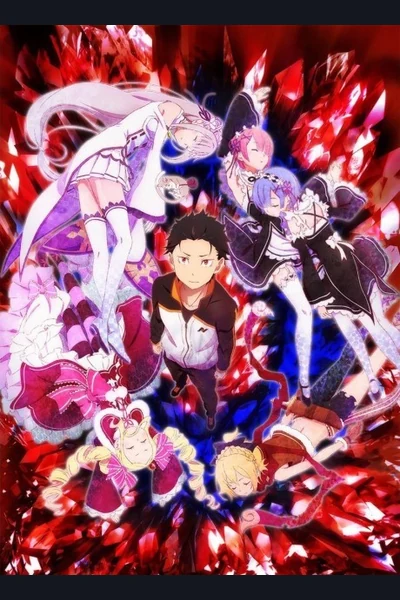
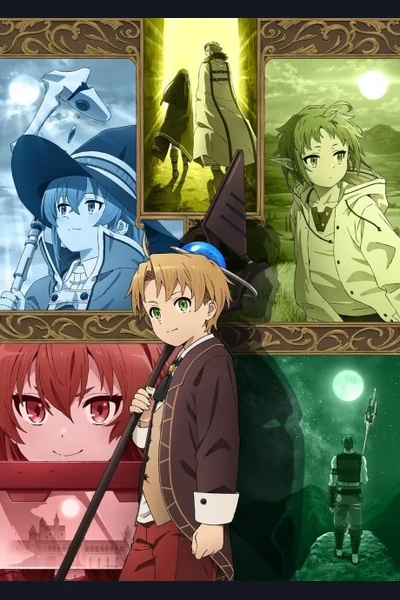
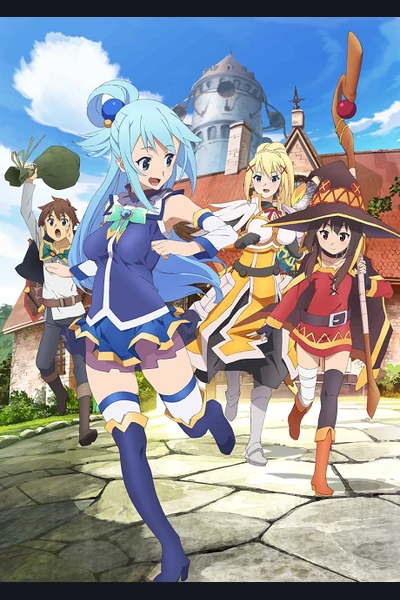
Isekai means "another world", and the modern anime industry has treated the concept less as a genre than as a portal with excellent footfall. A protagonist is transported, summoned, trapped or reborn into a fantasy realm, game world or parallel reality. The old life is left behind; the new one usually comes with stats, magic, monsters and suspiciously convenient social mobility.
The attraction is obvious. Isekai offers escape with structure. Ordinary life is replaced by rules that can be learned, systems that can be mastered and enemies who helpfully announce themselves. Even death can become an administrative mishap, followed by reincarnation, cheat skills and a goddess with questionable customer service.
The boom has produced everything from comfort fantasy to psychological punishment. Sword Art Online helped make trapped-game anxiety globally visible. Re:Zero turns repeated resurrection into trauma rather than holiday. That Time I Got Reincarnated as a Slime makes second life into community-building. Konosuba laughs at the whole heroic apparatus. No Game No Life and Mushoku Tensei show, in very different ways, how the genre can be inventive, controversial or both.
There were portal fantasies before the current wave, of course. The difference now is industrial scale. Light novels, manga, anime and web fiction have turned isekai into a busy immigration department for exhausted protagonists.
It suits viewers who like world rules, progression, second chances and fantasy systems. The danger is overfamiliarity: another overpowered hero, another guild, another menu screen. A new world is not automatically a new idea. Sometimes it is just the old cliché wearing elf ears.
← Back to the full glossary