
Harem / reverse harem
One lead surrounded by several romantic interests (reverse harem = one girl, many suitors).
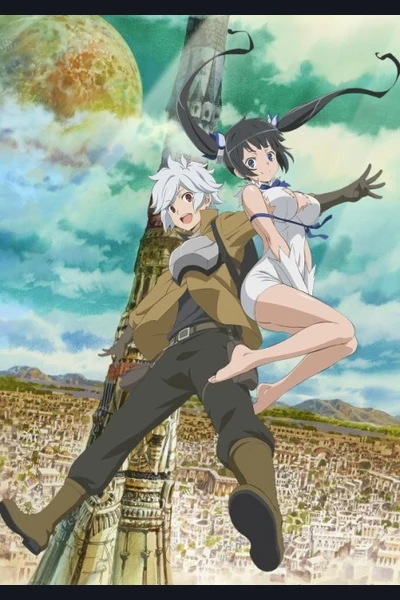
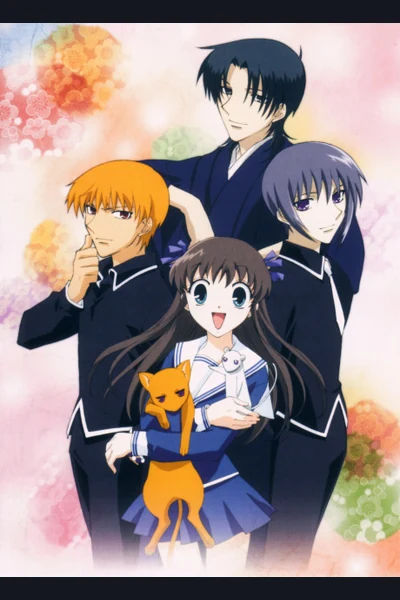
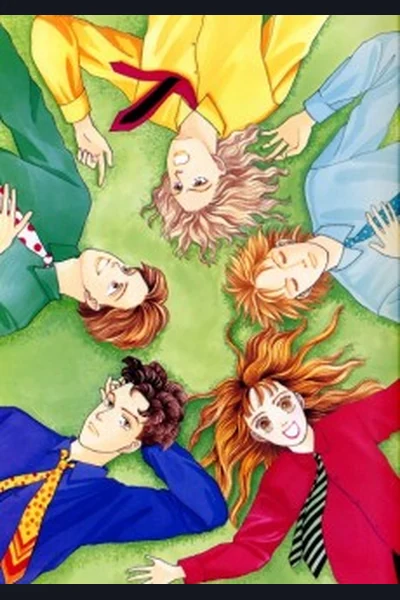
Harem stories place one lead at the centre of several possible romantic interests, then keep the whole arrangement spinning for as long as the plot, magazine run or production committee can bear. Reverse harem flips the usual geometry: one girl, several suitors, and a heroine who may or may not have the time, patience or emotional risk-assessment training required.
The appeal is romantic possibility held in suspension. Every character offers a different future: childhood friend, dangerous outsider, cool beauty, cheerful chaos agent, person with glasses who has clearly done the paperwork. The lead is often indecisive or oblivious, not because this is healthy behaviour, but because an early decision would collapse the tent.
Anime has been using the structure for decades. Tenchi Muyo! helped set much of the modern anime pattern. The Quintessential Quintuplets turns the question into a puzzle-box romance. Ouran High School Host Club makes reverse harem into class comedy and performance farce. Fruits Basket is not simply reverse harem, but it uses the emotional gravity of multiple wounded young men orbiting a central heroine to more serious effect.
The form can be lazy: archetypes lined up like a dating buffet, with each episode poking a different dish. But when handled well, harem stories explore insecurity, loneliness, wish-fulfilment and the strange way affection can become both comfort and trap.
This category suits readers who enjoy romantic tension, character chemistry and slow-burn choice. Those needing decisive emotional adults should look elsewhere. These people could not choose a sandwich without a season finale.
← Back to the full glossary