
DEMOGRAPHIC NOTE
Shonen (teen boys), Seinen (adult men), Shojo (teen girls), Josei (adult women) and Kodomo (children) describe the target AUDIENCE, not the genre. A 'seinen' title can be any genre at all - this is why they're kept out of the Genre columns.

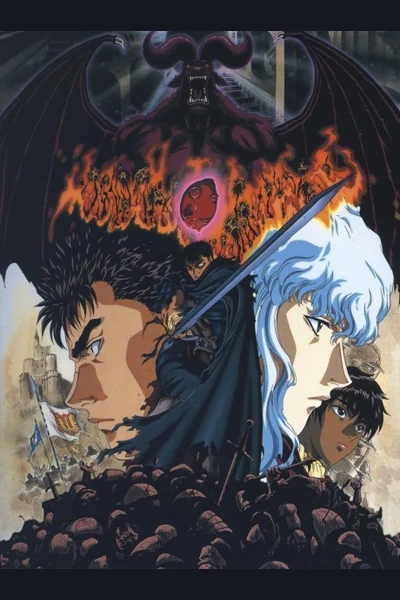


Here is the small taxonomy trap that catches many sensible newcomers: shonen, seinen, shojo, josei and kodomo are not genres. They are demographic labels. They describe the intended audience or original magazine shelf, not the story's actual subject.
Shonen means aimed mainly at teen boys. Seinen points toward adult men. Shojo means teen girls. Josei is adult women. Kodomo is children. Useful labels, certainly, but they do not tell you whether a work is a romance, war story, cooking comedy, boxing epic, psychic apocalypse or philosophical rumination on whether anyone should be allowed to invent teenagers.
This is why a "seinen anime" can be almost anything. Berserk, Monster, Kaguya-sama: Love Is War, March Comes in Like a Lion and Golden Kamuy do not become the same genre because of magazine demographics. They merely shared broad publishing assumptions about readership. Likewise, shonen can include pirates, volleyball, ninja villages, occult horror, romantic comedy and occasionally all of them in one alarming week.
The confusion is understandable because fans often use these labels casually, and because battle shonen became so globally visible that shonen started to sound like a fighting genre. It is not. Battle shonen is the fighting-adventure form; shonen is the audience shelf.
For this microsite, keeping demographic labels out of the genre columns prevents a great deal of fog. Treat them as context, not content. The sign above the shop door is not the sandwich.
← Back to the full glossary