
Cyberpunk
High-tech, low-life futures: hackers, cyborgs, megacorporations, neon and rain.
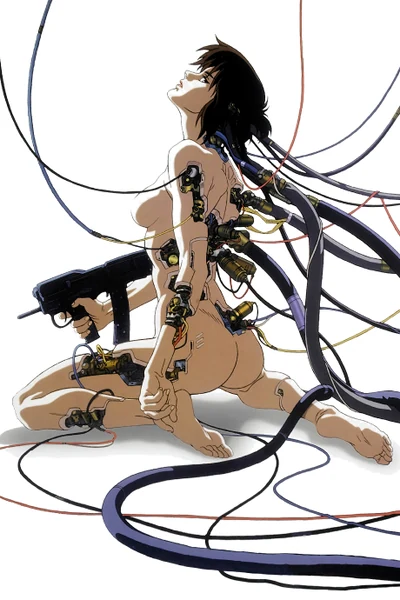


Cyberpunk is high-tech, low-life science fiction: neural jacks, cyborg bodies, megacorporations, hackers, surveillance, black-market medicine, vertical cities and enough neon rain to make an umbrella feel like a political statement.
Anime helped define the global look of the genre. Akira gave cyberpunk an urban apocalypse with psychic trauma boiling under the streets. Ghost in the Shell made identity, policing and cybernetic consciousness feel not just philosophical but procedural. Battle Angel Alita brought class violence and cyborg survival into a scrapyard future. Cyberpunk: Edgerunners later proved the form could still roar, bleed and sell everyone a very stylish jacket before breaking their heart.
The genre's old question remains useful: what happens to the human being when the body, city and network all become editable? Cyberpunk distrusts clean technological optimism. Its futures are advanced, certainly, but progress has usually been acquired by the sort of people who put subscription fees on your nervous system.
In anime and manga, the body is often the battlefield. Is a cyborg still human? Is memory property? Is a mind uploaded, liberated or just backed up by an organisation with alarming terms and conditions? The best cyberpunk does not answer too quickly.
This is a good fit for readers who like SF with politics, noir mood, body horror and philosophical unease. If your preferred future has polished glass and benevolent apps, cyberpunk will be along shortly to void the warranty.
← Back to the full glossary