Dawn
The opening of Xenogenesis, Butler's masterwork of unsentimental first contact — a fixture of university courses on posthumanism and the standing rebuke to comfortable alien-saviour stories.

The essential authors of science fiction, fantasy & horror — and where to start reading them.
Book Entry · Science Fiction
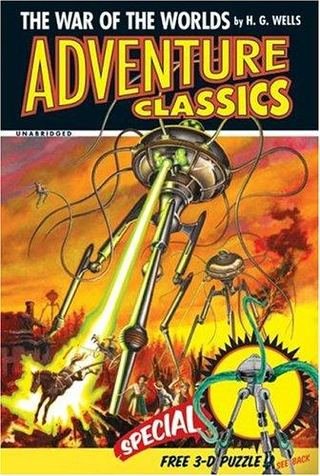
Cylinders fall on Horsell Common, and within days Martian fighting-machines are striding across Surrey, heat-raying the Home Counties and feeding on human blood, while the unnamed narrator scrambles through a collapsing England. Wells wrote it explicitly as empire turned inward — what Britain did to Tasmania, done to Woking — and his vision of refugee columns and societal disintegration proved horribly prophetic of the century ahead. The Martians' downfall, by humble terrestrial bacteria, remains one of the great endings in the genre.
The template for every alien invasion story since. Orson Welles's 1938 radio version caused legendary panic; adaptations run from George Pal (1953) to Spielberg (2005), plus Jeff Wayne's much-loved musical.
Prefer Amazon? Buying through these links may earn SFcrowsnest a small commission, at no extra cost to you.
Buy on Amazon UK → Buy on Amazon US →As an Amazon Associate, SFcrowsnest earns from qualifying purchases.
The opening of Xenogenesis, Butler's masterwork of unsentimental first contact — a fixture of university courses on posthumanism and the standing rebuke to comfortable alien-saviour stories.
The most influential Soviet SF novel: Tarkovsky's Stalker, the S.T.A.L.K.E.R.
Routinely cited (by Clarke, Lessing and Borges among others) as the most visionary SF novel ever written.