Cyteen
Hugo winner (1989) and a regular pick for the best SF novel about cloning ever written; its psychogenesis arguments anticipate decades of behavioural-genetics debate.

The essential authors of science fiction, fantasy & horror — and where to start reading them.
Book Entry · Science Fiction
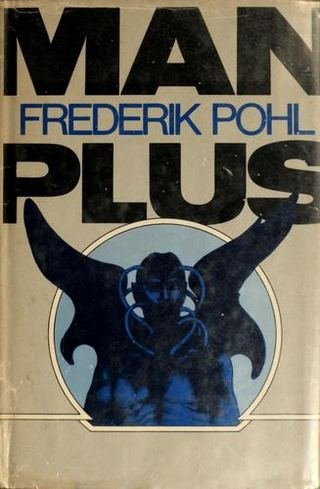
To survive on Mars unprotected, astronaut Roger Torraway must become something that can: eyes replaced with faceted crystal, skin with polymer, lungs with machinery, until the question of where the man ends and the project begins stops having an answer. Pohl narrates the surgical unmaking of a human being with clinical tenderness, alongside the collapse of Torraway's marriage and an Earth sliding towards war — and a final-page reveal about the narrator that re-frames the entire novel. Cyborg fiction's most humane and most unnerving classic.
Nebula winner (1976). The definitive cyborg novel, anticipating transhumanist debates by decades.
Prefer Amazon? Buying through these links may earn SFcrowsnest a small commission, at no extra cost to you.
Buy on Amazon UK → Buy on Amazon US →As an Amazon Associate, SFcrowsnest earns from qualifying purchases.
Hugo winner (1989) and a regular pick for the best SF novel about cloning ever written; its psychogenesis arguments anticipate decades of behavioural-genetics debate.
Multiple Hugo and Locus wins among its contents; the title story in particular — entropy as first-person elegy — is already standard anthology canon.
Hugo, Nebula and Campbell Memorial winner — one of the rare books to take all three; its remote-warfare and forced-empathy arguments only grow more current.