Who was Robert Jordan?
James Oliver Rigney Jr of Charleston, South Carolina: Vietnam helicopter-gunner twice decorated, Citadel-trained physicist, Conan novelist for hire, and then — as Robert Jordan — architect of the Wheel of Time, the largest single edifice in modern epic fantasy. Fourteen volumes, four million words, a world where time is a wheel, ages return, and the male half of the One Power is tainted by the Dark One's counterstroke — so the saviour of the world, Rand al'Thor, is prophesied to go mad. Jordan built magic with rulebook rigour (the weaves, the Aes Sedai's three oaths), braided politics across a dozen nations and several hundred named characters, and died at fifty-eight with the ending dictated but unwritten; Brandon Sanderson, chosen by Jordan's widow and editor Harriet McDougal, completed the final three volumes from his notes.
Why they matter
The Wheel of Time carried Tolkien-scale fantasy to its commercial summit in the 1990s — bestseller-list fixtures, ninety-plus million copies — and its systematised magic and multi-thread plotting set the template (and the page counts) for modern epic fantasy, Sanderson's included.
Essential books — and where to start
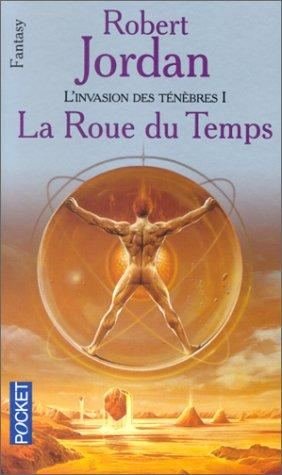
1990 · The Wheel of Time, book 1 · Fantasy · Epic Fantasy, Heroic Fantasy
Trollocs burn Emond's Field on Winternight, hunting three farm boys who don't know why, and the Aes Sedai Moiraine and her Warder spirit Rand, Mat and Perrin (plus Egwene, who refuses to be left) out of the Two Rivers ahead of the Shadow. Jordan opens in deliberate Tolkien homage — he said as much: start in the known country, then leave — before the saga's own machinery engages: the Wheel, the ta'veren, the tainted male half of the Source, and the dawning horror of what Rand's channelling means. The flight to the Eye delivers epic fantasy's most confident first volume since its model, with the depth of field already visible behind every inn.
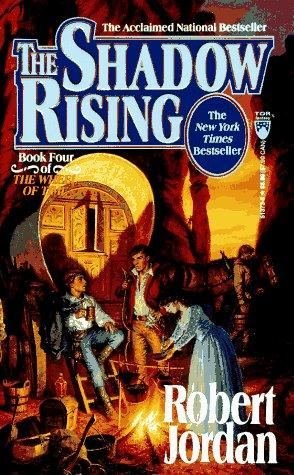
1992 · The Wheel of Time, book 4 · Fantasy · Epic Fantasy
No Last-Battle skirmish, no single quest: Jordan's fourth volume forks the saga into the structure it keeps thereafter. Rand, newly proclaimed Dragon Reborn, walks into the Aiel Waste and through the glass columns of Rhuidean — the series' finest sequence, an ancestral memory-descent revealing the Aiel's buried pacifist past and the age-old lie at the heart of their identity. Perrin goes home to defend the Two Rivers and becomes the lord he swore not to be; Egwene apprentices to dream; the White Tower splits. The book where the Wheel of Time's true subject — how histories are forgotten, distorted and weaponised — comes fully into view.
Series
b. 1974 · British
The defining grimdark author after Martin: Abercrombie perfected the character-voice-driven, blackly comic register that dominates modern adult fantasy, and his fight scenes and moral hangovers are the subgenre's house style.
1931–2009 · American
The gateway epic fantasist for a generation of 1980s–90s readers: the Belgariad's chatty, character-first formula taught millions that doorstop fantasy could be comfort reading, and its fingerprints are on every found-family quest since.
b. 1945 · American
Magician is one of the defining epic fantasies of its era — a fixture of fantasy starter lists for forty years — and the Midkemia model (gaming world to publishing empire) prefigured the genre's whole relationship with tabletop culture.
