Author Profile · Science Fiction & Fantasy
Jack Vance
1916–2013 · American
Who was Jack Vance?
A merchant seaman from San Francisco who wrote his first famous book on watch in the Pacific and kept writing — through decades of travel and eventual blindness — some of the most stylish sentences the genre owns. Vance's worlds run on baroque custom, competitive politeness and magnificently footnoted dinner parties; his heroes are dry, competent and unfailingly outnumbered; his villains have excellent manners and no morals whatsoever. The Dying Earth gave fantasy its twilight far-future mode and Dungeons & Dragons its entire magic system ('Vancian casting'); Lyonesse gave epic fantasy a fairy-tale masterpiece. Nobody has ever sounded like him, though many have ruptured themselves trying.
Why they matter
The genre's supreme stylist and a double founder: of the Dying Earth subgenre (Wolfe's Book of the New Sun is its godchild) and of anthropological planetary adventure. His influence runs from D&D through Gene Wolfe to half of modern fantasy's vocabulary.
Essential books — and where to start
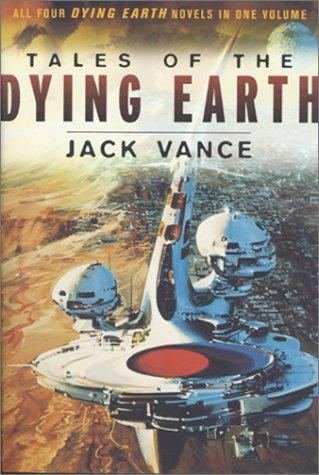
1950 · The Dying Earth, book 1 · Fantasy · Science Fantasy, Dark Fantasy
Under a red and guttering sun, on an Earth so old that magic and science have composted together, six linked tales follow wizards, constructed women and seekers through lands where every ruin has outlived its civilisation's name. Turjan grows life in vats; Liane the Wayfarer meets a connoisseur of exactly his sort of cruelty; Guyal of Sfere quests for the Museum of Man. Spells must be memorised and are gone when cast — a rule one tabletop game found useful. Vance wrote much of it at sea during the war, in a vocabulary nobody else would dare.
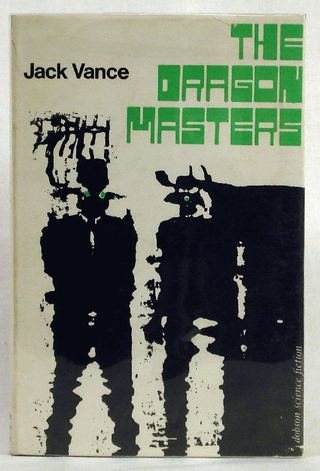
1962 · Science Fiction · Planetary Romance, Science Fantasy
On the remote world Aerlith, men breed captured reptilian aliens into fighting 'dragons' — Termagants, Juggers, Blue Horrors — while the aliens, on their raiding visits, deploy soldiers bred from captured men. Joaz Banbeck must out-think both his oafish neighbour Ervis Carcolo and the returning Basics, with the help of the enigmatic, naked, future-scrying sacerdotes who serve no one. A compact masterpiece of symmetrical worldbuilding: each side's monsters are the other side's people, and neither finds this remarkable. Vance at his most elegantly sardonic.
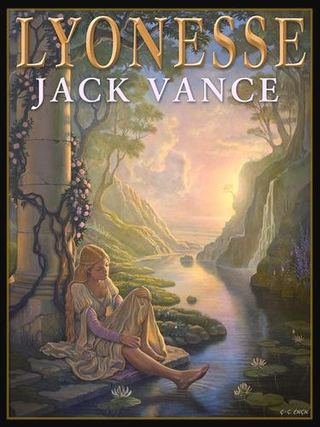
1983 · Lyonesse, book 1 · Fantasy · Epic Fantasy, Mythic Fantasy, Historical Fantasy
On the Elder Isles, a generation before Arthur, King Casmir's dynastic ambitions begin with imprisoning his unbiddable daughter Suldrun in a derelict garden — a cruelty that seeds his own ruin when she shelters the shipwrecked Prince Aillas. Vance ranges across changeling children raised by fairies, the magicians Shimrod and Murgen, ogres dispatched with tradesmanlike efficiency, and politics conducted with his signature courteous menace. Fairy-tale logic, epic architecture and that inimitable dry style: many Vance readers rate the Lyonesse books his supreme achievement.
Series
1926–2011 · American-Irish
The bridge between SF and fantasy readerships and the genre's great gateway author for young readers — particularly girls, whom the field had largely ignored.
b. 1949 · American
Among the most awarded novelists in the field's history and the writer who proved space opera could be character-driven comedy of manners without losing its nerve.
1875–1950 · American
The father of planetary romance.
