
Mobile Suit Victory Gundam
Notoriously bleak; the entry Tomino reportedly made while at his lowest, and it shows.
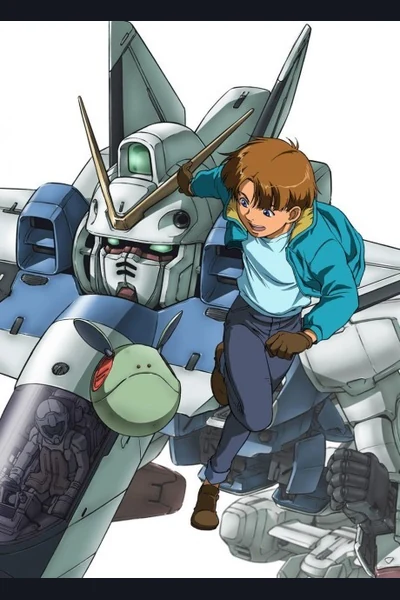
Overview
Mobile Suit Victory Gundam is one of the bleakest entries in the franchise, and in Gundam that is not exactly a low bar. Set far later in the Universal Century than the original Amuro-and-Char era, it follows young Uso Ewin as he is dragged into the conflict between the League Militaire and the Zanscare Empire.
The series has a reputation for emotional brutality, abrupt death and a general atmosphere suggesting that optimism has been sent out for repairs and never returned. Yoshiyuki Tomino's state of mind during its production is often discussed by fans, but even without biography, the work itself feels raw.
Why it matters
Victory Gundam matters as the late-Universal-Century endpoint of Tomino's early Gundam television run and as a stark example of how far the franchise could push its anti-war despair. It is not content with showing war as tragic. It shows war as corrosive, absurd, repetitive and particularly merciless toward the young.
It also marks a strange historical moment for Gundam: a franchise trying to continue itself commercially while its creator seems increasingly furious at the machinery around it. That tension gives the series an uncomfortable fascination. The toyetic elements are there, but they often feel haunted.
What to expect
Expect suffering, child soldiers, sudden losses and political cruelty wrapped in colourful 1990s television packaging. The mobile suit designs and action still provide spectacle, but the story repeatedly undercuts heroic pleasure with human cost.
Uso is very young, and the series never lets that fact disappear. Adults fail, manipulate, die or ask too much. The result can be powerful, but also exhausting. Victory is not a casual watch for anyone looking for clean adventure.
There are also tonal oddities and production-era quirks that can make the viewing experience uneven. Bleakness alone does not guarantee elegance, and Victory can be messy as well as severe.
Adaptations and versions
Victory Gundam is a Sunrise television anime within the Universal Century. It stands far enough from earlier UC works that it does not require every prior detail, but knowing Gundam's larger anti-war tradition helps contextualise its severity.
The series' production history and Tomino commentary should be fact-checked before publication if referenced in detail. The page should keep the focus on the work's reputation and viewing experience rather than turning biography into diagnosis.
Where to start
Do not start Gundam here. It is better approached after some familiarity with the franchise's themes, especially if you want to understand why its despair feels like an escalation rather than a default setting.
If you do watch it, pace yourself. This is not a show that politely dims the lights before walking into darkness.
Verdict The SFcrowsnest take
Mobile Suit Victory Gundam is harsh, important and difficult to love in a simple way. It is Gundam with the safety rail removed, repeatedly reminding viewers that children should not be anywhere near battlefields, let alone prototype mobile suits.