
Mobile Suit Gundam (0079)
The one that started it all; founded the 'real robot' genre and a model-kit empire that funds the franchise to this day.
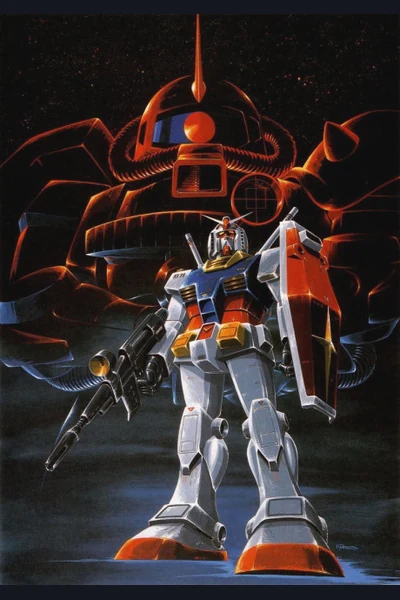
Overview
Mobile Suit Gundam, often labelled 0079 by fans to distinguish it from the empire it spawned, is the 1979 series that changed giant-robot anime from heroic toy-box myth into military science fiction with grieving civilians and supply problems. Yoshiyuki Tomino and Sunrise did not invent robots in war, but they made the robot feel like a weapon within a wider political disaster.
The story follows Amuro Ray, a civilian teenager who becomes the pilot of the prototype RX-78-2 Gundam after his home colony is attacked during the war between the Earth Federation and the Principality of Zeon. It is still adventure television, but with a new bitterness under the paint.
Why it matters
This is the foundation of the real-robot genre and one of anime's great commercial ironies: a series about the misery of war helped build a model-kit empire of cheerful plastic armaments. History does enjoy a joke, though rarely a tasteful one.
Gundam mattered because it treated mecha as mass-produced military technology rather than singular magical champions. Its ace pilots, prototype machines and political factions gave later anime a vocabulary for war stories in space. It also introduced the Federation-Zeon conflict, Newtype ideas and character dynamics that would echo across decades.
What to expect
Expect 1970s television pacing, rough edges and moments of startling seriousness. The animation is not modern, but the dramatic architecture remains strong: refugees aboard a warship, a young pilot under unbearable pressure, enemies with human motives and commanders making decisions from inside systems that reward catastrophe.
Amuro is not a shining hero from the start. He is frightened, resentful, talented and often overwhelmed. Char Aznable, meanwhile, arrives as one of anime's great masked rivals, carrying charisma and political grievance as if both were part of the uniform.
Content includes war violence, civilian casualties, trauma and the recruitment of children into combat.
Adaptations and versions
The original television series is the source, later reshaped into compilation films that became a common route for newcomers. The films streamline the story and improve accessibility, while the TV series preserves more texture and odd corners.
Because Gundam continuity is a continent, not a corridor, this page should stay focused on the original Universal Century starting point. Later works build outward from here.
Where to start
Start with the compilation films if you want a manageable introduction to the core story. Start with the television series if you want the full historical object, seams and all.
Either route explains why Gundam became Gundam. The old machinery may creak, but it still casts a very long shadow.
Verdict The SFcrowsnest take
Mobile Suit Gundam (0079) is foundational SF television: imperfect, ambitious and still bracing in its refusal to make war feel clean. It gave anime a new kind of robot, then accidentally taught several generations to love buying little versions of it.