
Cobra (Space Adventure Cobra)
A roguish space pirate with a psychogun for an arm carouses across a pulpy, sexy cosmos; gleeful 70s space opera with serious swagger and a cult Western following.
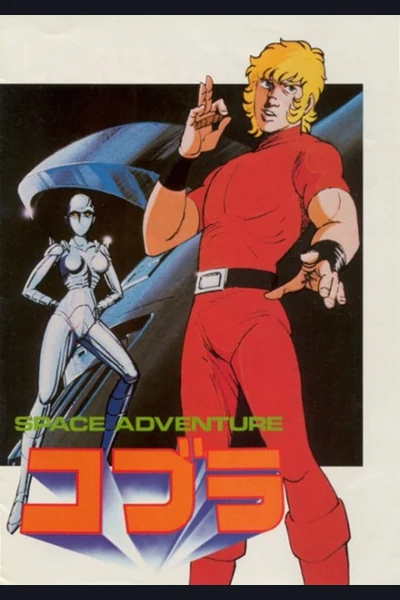
An ordinary salaryman tries a dream-recording service and discovers that his fantasy of being the notorious space pirate Cobra is a suppressed memory. His face was altered, his mind edited and his left arm conceals a Psychogun controlled by thought. This is either liberation from office life or a particularly severe failure of human resources.
Buichi Terasawa's manga began in Shueisha's Weekly Shonen Jump in 1978. Osamu Dezaki directed the sumptuous 1982 animated film, followed by a television series the same year. Later OVAs and television revivals returned to Cobra's lurid, dangerous galaxy.
Overview
Cobra travels with Lady Armaroid, a loyal partner whose consciousness inhabits a golden metal body. He steals treasure, fights the Pirate Guild and pursues women with confidence supplied in quantities larger than his spacecraft.
The Psychogun fires energy according to mental aim, allowing trick shots and ensuring a cigar remains available to the other hand. Terasawa's future draws from Bond, Barbarella, westerns and French science-fiction comics, then removes any remaining fabric the women might have been issued.
Why it matters
Terasawa was an early manga artist to embrace digital production, matching technological experimentation with polished pulp design. His planets offer sport, horror, treasure hunts and criminal empires without requiring the series to settle down.
Cobra is roguish rather than introspective, but Lady Armaroid gives the partnership steadiness and history. The work's swagger influenced space-adventure manga and gained a substantial European following.
What to expect
Expect gunfights, death, nudity, sexualised women and adult pulp adventure. The gender politics are dated and frequently objectifying, even where women are competent. Viewers should not mistake style for an exemption from noticing.
Adaptations and versions
The 1982 film condenses the Royal Sisters storyline into a visually extravagant tragedy. The television anime offers broader adventures and more of Cobra's comic character. Later productions include The Animation OVAs and a 2010 series.
Versions retell material and may not form one strict continuity. The film and classic series are the principal entries.
Where to start
Watch Dezaki's film for concentrated visual splendour, then the 1982 television series for the character at leisure. Manga editions provide Terasawa's original art but English availability varies.
Verdict The SFcrowsnest take
Space Adventure Cobra is shameless cosmic pulp: stylish, sexist, energetic and convinced the universe improves when entered sideways with a cigar. Sometimes it does.
The Dezaki film is the jewel; the television series the better introduction to Cobra himself. Bring context, not moral amnesia, and enjoy a Psychogun that makes subtlety somebody else's weapon.