
Cardcaptor Sakura
A schoolgirl must recapture a deck of magical cards she carelessly released; CLAMP's beloved magical-girl gem, gorgeous and quietly rather groundbreaking.
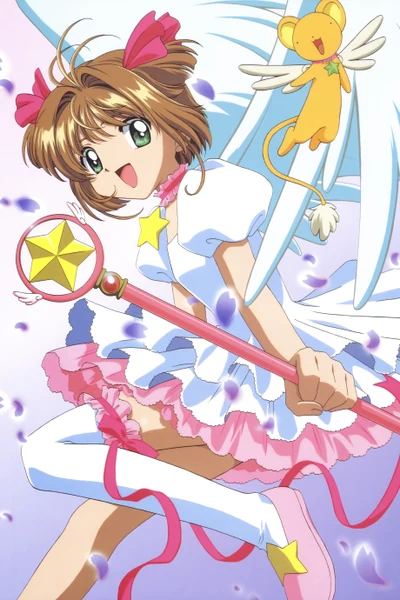
Ten-year-old Sakura Kinomoto opens a mysterious book in her father's library and releases the Clow Cards, magical beings capable of causing weather, mischief and awkward conversations with the local insurance assessor. Guardian creature Keroberos appoints her Cardcaptor and sends her to retrieve them, ideally before the town notices another elemental incident near the primary school.
CLAMP's manga ran in Kodansha's Nakayoshi from 1996 to 2000 and filled 12 volumes. Madhouse's 70-episode anime aired from 1998 to 2000, followed by two films. CLAMP later returned with Cardcaptor Sakura: Clear Card, continuing Sakura's story through manga and a 2018 anime.
Overview
Sakura balances card capture with school, family and affection for older classmate Yukito. Best friend Tomoyo designs a new costume for each mission and films the results, having correctly identified that heroism without wardrobe documentation wastes an opportunity.
Transfer student Syaoran Li begins as rival and develops into something gentler. The cards are obstacles, personalities and eventually part of Sakura's own magical identity. She succeeds less through force than empathy and practical courage.
Why it matters
The series is one of magical-girl anime's most graceful works. CLAMP and Madhouse treat beauty as everyday craft: food, clothes, seasons and family life receive the same attention as magic. Sakura's optimism never requires stupidity.
Its relationships were unusually broad for children's media of the period. Same-sex affection is present without becoming a moral crisis, and Tomoyo's love for Sakura is treated tenderly. Other age-gap relationships, especially in the manga, are much harder to defend and should not be bundled into general praise for inclusivity.
What to expect
Expect gentle peril, romance, comedy and elaborate costumes. Violence is mild and the series suits many children, though adults may wish to discuss the age-gap material. The pace is warm and episodic rather than urgent.
Adaptations and versions
The anime expands the manga, adds cards and gives supporting characters more time. Its first film is a side adventure; the second provides an anime conclusion. Clear Card follows the original story and should come afterwards.
The American Cardcaptors edit reordered episodes, reduced romance and attempted to reposition Syaoran as co-lead. Seek the uncut Cardcaptor Sakura instead.
Where to start
The original anime is the richest entrance; the manga is shorter and beautifully composed. Finish the classic material before Clear Card. No deck-building expertise is needed—Sakura handles the cards and Tomoyo handles production values.
Verdict The SFcrowsnest take
Cardcaptor Sakura is sweet without being empty and progressive without sounding as though a committee arrived to congratulate it. Its kindness is active, its magic personal and its costumes magnificent.
One of the finest family anime series, provided the more troubling romantic assumptions are acknowledged rather than hidden beneath lace trim.